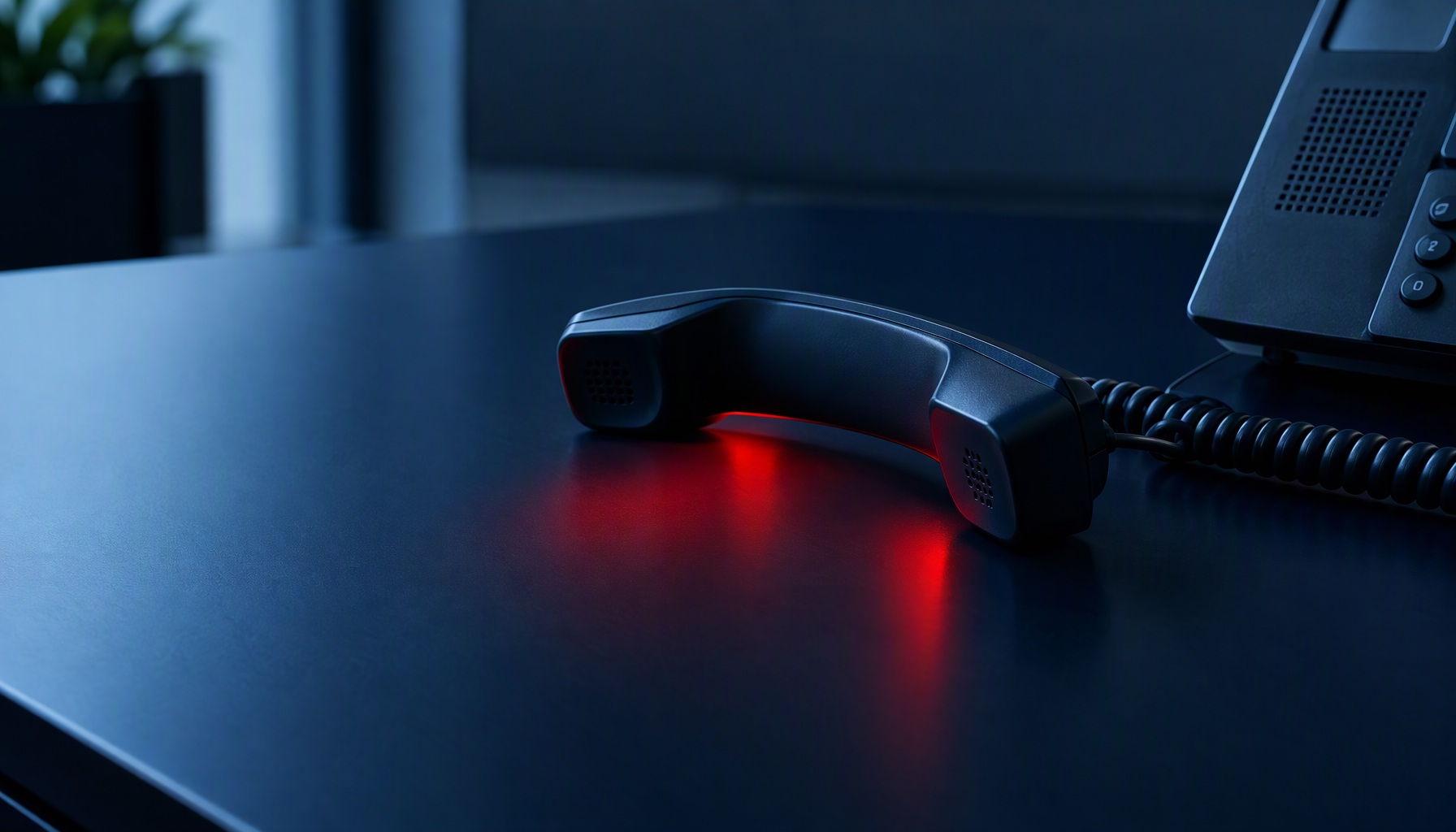
The phone rings. Someone introduces themselves as being from your IT team, your software provider, or Microsoft. They sound professional. They know your name, perhaps even your company’s systems. There’s an urgent security issue that needs to be dealt with right now. All they need is for you to log in to something, confirm a code, or let them into your system remotely.
If any part of that scenario feels familiar, there’s a reason. Vishing — voice phishing — is one of the fastest-growing cyber threats facing UK businesses right now, and it’s working precisely because it sounds so believable.
What Exactly Is Vishing?
Vishing is a type of social engineering attack carried out over the phone. The word is a combination of “voice” and “phishing” — the same idea as a fraudulent email, but delivered by a real human voice (or an increasingly convincing AI-generated one).
Rather than clicking a dodgy link, your team is talked into handing over information directly: login credentials, multi-factor authentication codes, bank details, or remote access to your systems. The attacker does the persuading. All your employee has to do is pick up and respond naturally, which most people do.
How Vishing Attacks Work
Modern vishing attacks are carefully planned. Before the call is ever made, criminals research their target. They might look at your company website, LinkedIn profiles, Companies House records, or even data from previous breaches. By the time they ring, they already know a surprising amount about your business.
The call itself is designed to create urgency. A common script goes something like this: your account has been compromised, a payment is about to go out, your system is at risk, and it must be dealt with immediately. Urgency stops people thinking clearly, and that’s entirely the point.
Criminals will often impersonate:
- Your IT support provider
- Microsoft or another software vendor
- Your bank or payment processor
- HMRC
- A senior colleague (this is sometimes referred to as CEO fraud)
With AI now able to clone voices convincingly from just a few seconds of audio, even the voice on the other end of the line can no longer be fully trusted.
Why Small Businesses Are Especially Vulnerable
Larger organisations often have security policies that require staff to verify calls through a separate channel before acting on them. Many smaller businesses don’t, and attackers know this.
If your team regularly deals with calls from IT providers, software vendors or suppliers, a well-prepared attacker can blend right in. Staff who are eager to be helpful and quick to sort a problem — which in any other context is a brilliant quality — can inadvertently do exactly what a criminal is hoping for.
Businesses in sectors that handle sensitive client data, such as accountancy, legal, financial services and healthcare, are particularly attractive targets. The information held and the transactions processed make them worth pursuing.
What Attackers Are Really After
The immediate goal varies, but common outcomes of a successful vishing attack include:
- Access to your email or Microsoft 365 account
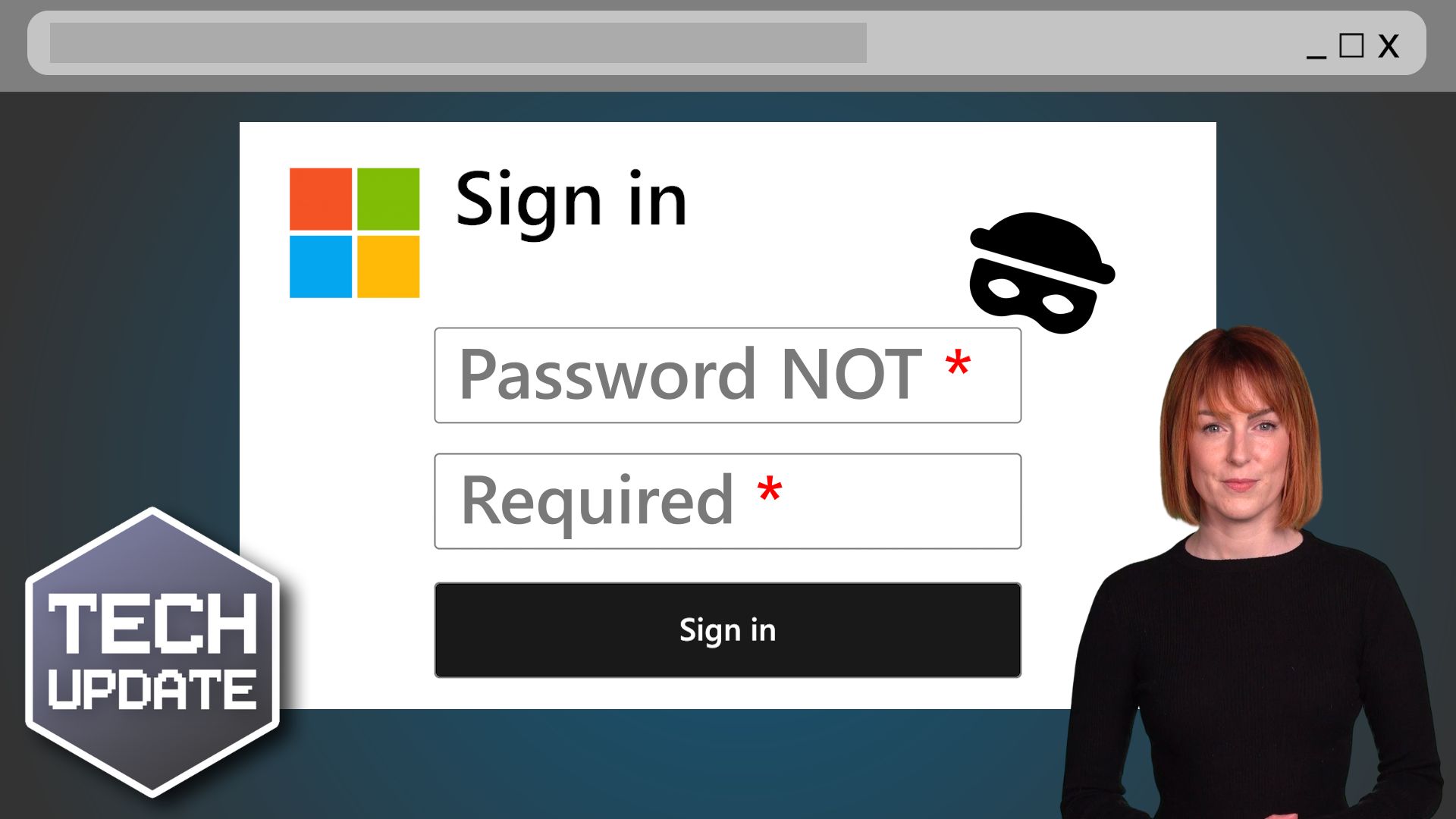
- MFA codes that bypass two-factor authentication
- Remote access to your computer or network
- Approval of a fraudulent bank transfer
- Client data or confidential business information
Once an attacker has a foothold in your systems, the damage can go well beyond the initial phone call.
How to Protect Your Business
Vishing is one of the more straightforward threats to defend against, provided the right habits and policies are in place.
Establish a verification process
If someone calls claiming to be from your IT provider, your bank, or any other organisation requesting access or information, your team should have a clear process: end the call politely, look up the real number independently, and call back. No legitimate provider will object to this.
Train your team to recognise the tactics
Urgency is the attacker’s main tool. Training your staff to pause, question, and verify when something feels rushed or unusual can stop an attack in its tracks. Regular, straightforward awareness training makes a genuine difference.
Apply the principle of least privilege
Not everyone in your business needs access to everything. Limiting what each team member can access means a successful vishing call is less likely to hand over the keys to your entire operation.
Use multi-factor authentication — carefully
Multi-factor authentication adds a vital extra layer of protection, but sophisticated vishing attacks specifically target MFA codes. Your team should understand that they should never share an authentication code with anyone, regardless of who is asking.
Know who actually looks after your IT
If your staff aren’t sure who your IT provider is, how they normally get in touch, or what a legitimate contact from them looks like, that’s worth addressing. Clear communication about how your IT support works removes a lot of the uncertainty that attackers exploit.
This Is a People Problem, Not Just a Technology Problem
Vishing works because it targets human behaviour rather than system vulnerabilities. No amount of software can fully protect a business where the team aren’t aware of the threat. The most resilient businesses combine good technology with well-informed people, and that combination is genuinely achievable for businesses of any size.
Not Sure Whether Your Business Is Prepared?
At Blisstech, we help West Midlands businesses make sense of threats like vishing and put practical protections in place — without the jargon. Whether you’re starting from scratch or want to check whether what you already have in place is working, we’re happy to have a straightforward conversation.
Give us a call on 01299 382 321 or visit blisstech.co.uk/contact to get started.