Beware that corrupted email attachment: It could be a scam • Blisstech Solutions

You’re scanning your inbox and spot a critical email with a Word document attached. Maybe it’s an invoice, a message from a supplier, or even a request from a colleague. You open it without thinking twice, and you’ve been scammed just like that.

This scenario is exactly what cybercriminals are counting on. Now, they’ve devised another way to bypass even the most advanced email security filters—this time, using corrupted Microsoft Word files.

It’s a clever and dangerous tactic.

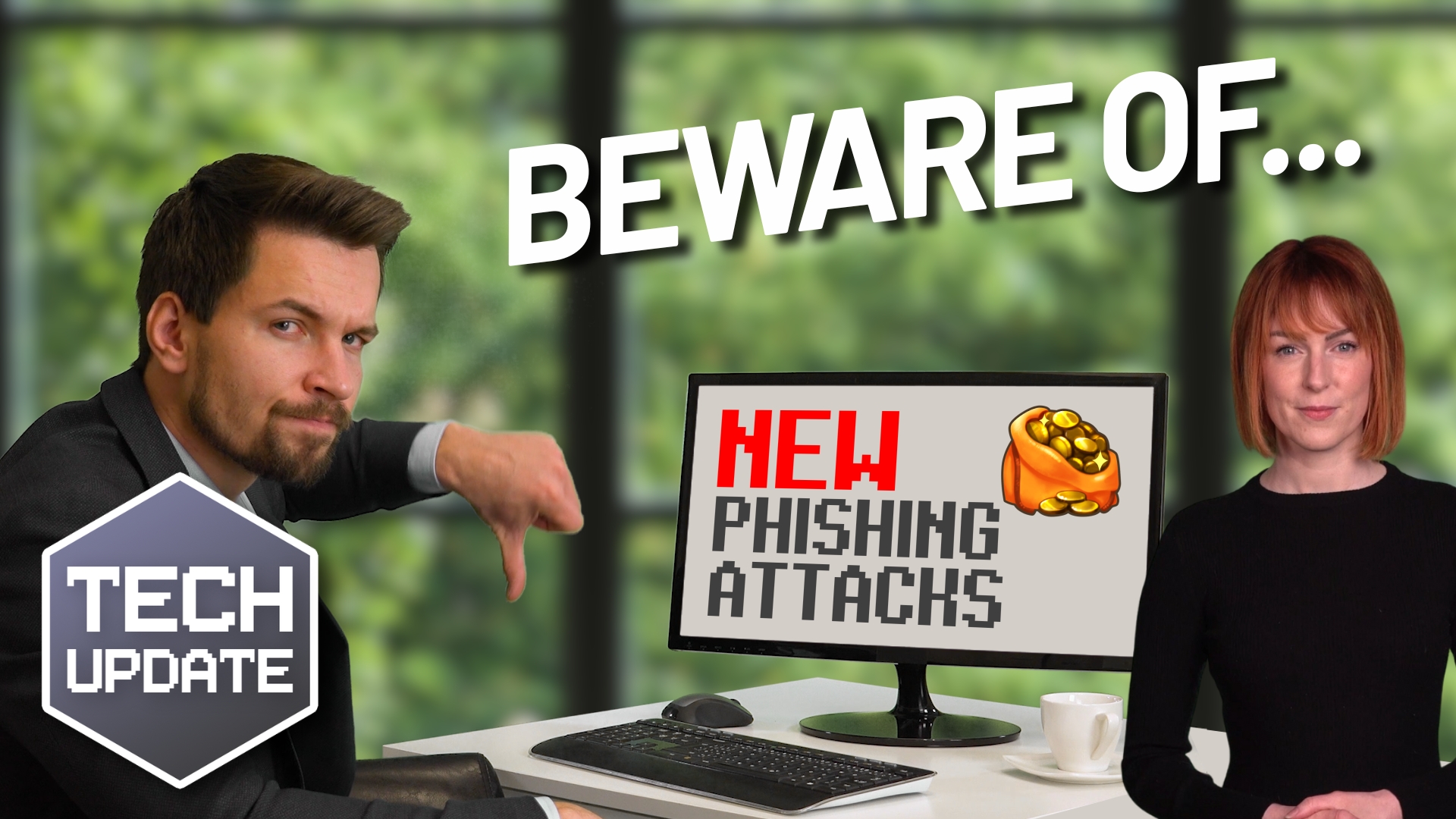
Phishing (pronounced “fishing”) is where scammers try to trick you into giving away sensitive information, like passwords or bank details. They “bait” you with an email that looks legitimate, maybe from your bank, a co-worker, or a company you trust.

These emails often include attachments or links. When you open the attachment or click the link, you could be downloading malicious software (malware) or visiting a fake website designed to steal your details.

Phishing attacks are constantly evolving, and they’re now one of the most common ways scammers break into businesses. Email security filters are usually pretty good at scanning attachments. But since corrupted files can’t be analysed properly, the Word file is able to sneak into your inbox.

When you open one of these corrupted files, Microsoft Word will “repair” it and show you what looks like a normal attachment. But the document will contain a malicious QR code or link that sends you to a phishing site (often a fake Microsoft 365 login page). If you enter your details, scammers could have access to your account – and potentially your entire business.

Stealing just one employee’s login details can be enough. With access to your cloud systems, scammers could get hold of sensitive customer data, lock your team out of essential files, or even send phishing emails from your account to trick your contacts.

If this happens to you, it could be catastrophic. Your business could face financial losses, legal consequences, and a damaged reputation that could take a long time to rebuild.

Cyber attacks are getting more complicated. But you don’t need a degree in cyber security to help keep your business safe.

The best protection is awareness and caution.

Here are some steps you can take:

  • Slow down and think twice before opening attachments or clicking on links
  • If an email seems urgent, beware – scammers like to rush you, so you’ll act without thinking
  • If you’re not sure an email is legit, check with the person or company that the email seems to be from
  • Never trust an attachment or link just because it looks professional

Most importantly, make sure you educate yourself and your team about what phishing is, why it’s dangerous, and how to recognise the warning signs.

We help businesses like yours with this every day. If you’d like us to help you too, get in touch.
More Content

Is Wi-Fi 7 worth the investment?

Is Wi-Fi 7 worth the investment?

Is upgrading to Wi-Fi 7 the right investment for your business? We look at the pros and cons of the next-gen wireless connection.

Why now is a great time to start your own business

"I can accept failure, but I can't accept not trying." - Michael Jordan We are living in unprecedented times.  People are being prevented from leaving their homes and the average worker has been sent to work from home, put on reduced hours, or worse.  It is...
Are you ready for next-gen email security? (YES!)

Are you ready for next-gen email security? (YES!)

Sick of spam emails? We have details of a cool new tool to help keep us better protected.

Child working at a laptop

Donated Laptops for Lockdown Learning

A Digital Divide It is a shocking fact that 9% of children in the UK, between 1.1 and 1.8 million, do not have a computer, laptop or mobile device in their home, according to research carried out by Ofcom. This pandemic is shining a stark light on the gap in provision...
Microsoft: Criminals can access your accounts without your password

Microsoft: Criminals can access your accounts without your password

Just when you think you’ve got cyber security sorted for your business, a new scam comes along. This time, cyber criminals don’t even need to trick you out of your password to access your accounts… they can fool you with something called a “device code”.

A woman on a laptop with a shield and lock on the screen

Why you should use a password manager

Introduction It can be difficult to keep track of all of your online passwords, especially if you have multiple accounts for different purposes.  But did you know that there is a way to keep all of your passwords safe and secure? A password manager such as LastPass...

Tech Tip: How to Stay Cyber Safe at Christmas

CHRISTMAS SPECIAL!!! As we are on the countdown to Christmas, today's Tuesday Two Minute Tech Tip is on a (very tenuous) Christmas theme. As we all get ready for the big day we will be thinking of having a few days or even weeks off work and relaxing. Christmas is a...

3 essential security tools for every business

Your data is one of your most valuable business assets. Keeping it safe should be one of your main priorities.

Why you will not be fine on this Cloud9

Fake Flash messages are being used as a cover for a new ‘botnet’ campaign. If you use Google Chrome or Microsoft Edge you could be a target.

Snip and Sketch video thumbnail

Tech Tip: How to use the Snip and Sketch tool

This is a Tech Tip on how to use the really handy Snip and Sketch Tool built into Windows. Who said that "a picture paints a thousand words"? I'll leave you to Google that one as I couldn't work it out! Anyway, there are times when an image is the best way to...
Share This
Contact
Love Lane
Cleobury Mortimer
Shropshire DY14 8PE

01299 382 321
[email protected]
Copyright © Blisstech Solution Ltd
Registered No: 08125391 VAT No : 307 5490 05