Charging in public places? Watch out for “juice jacking” • Blisstech Solutions

Airports, hotels, cafés, even shopping centres, offer public charging points where you can boost your phone or laptop battery on the go.

They’ve been in the news after the FBI recently tweeted advice to stop using them. Crooks have figured out how to hijack USB ports to install malware and monitoring software onto devices as they charge.

The security risk of “juice jacking” was long thought to be more theoretical than real, but the tech needed to carry out an attack has got smaller and cheaper and easier to use. This means less sophisticated criminals are now turning their hand to it.

So how does it work?

The most common charging cables – USB-C and lightning – are dual-purpose. They have pins for charging and pins for data.

When you charge your device, you only use the charging pins. But a compromised charging port – or a cable that someone has left behind – could use both charging pins and data pins without you knowing.

When they use the data pins, criminals can install malware onto your device that gives them access to your credentials and other data. It’s a little like plugging your phone into someone else’s laptop.

To avoid the risk, the best solution is to always carry your own charger and cable, and plug it into a power outlet. If you have no choice but to use a public USB port, invest in something called a USB data blocker. This prevents data being transferred, but the device will still charge.

We help businesses stay secure and productive at the same time.

If we can help you, get in touch.
More Content

Heads up: You need to update Windows 11 by this deadline

Heads up: You need to update Windows 11 by this deadline

Have you updated to the latest version of Windows 11 yet? If not, it’s time to act – Microsoft has announced when it will end support for older versions (and it’s soon!).

How to create secure passwords

How to create secure passwords

Weak passwords are one of the biggest security risks to your business.
Why?
Because cyber criminals are getting smarter than ever before. If they manage to crack just one password, they could gain access to your sensitive business data, financial information, or even gain control of your entire system.
Cyber criminals use automated tools to guess passwords, allowing them to try out millions of combinations in seconds. So, if you’re using something like “Password123” or “CompanyName2025”, you’re practically handing them the keys to your business.
A compromised password can lead to big issues, such as:
• Data breaches
• Financial losses
• Identity theft
• Reputation damage
But how do you create strong passwords without driving yourself (and your team) mad?
Think of your password like a secret recipe, where only you should know the ingredients. It should:
• Be at least 14 characters long (the longer, the better)
• Include a mix of uppercase and lowercase letters
• Contain a few numbers and symbols (like @, $, %, or &)
• Not contain any common words or easily guessable information (like birthdays, names, or the word “password”)
Instead of using a single word, you could try a passphrase – a short, random sentence that only you would understand. For example, instead of “Sailing2025”, try something like “Coffee&CloudsAreGreat9!”. This is much harder to crack, yet still easy to remember.
You should also steer clear of these common mistakes:
• Using personal info (your name, birthday, business name, etc.)
• Reusing the same passwords across multiple accounts
• Using simple sequences (“123456” or “abcdef”)
• Storing passwords in an easily accessible place (like a sticky note on your desk)
If remembering unique passwords for every account sounds impossible, there is another option: Password managers. These generate strong passwords, store them securely and autofill them for you.
With a password manager, you only need to remember one strong master password for the manager app itself. The rest are encrypted and stored safely, reducing the risk of data breaches.
Even the strongest password isn’t foolproof, which is why multi-factor authentication (MFA) is also important. MFA requires a second form of verification, like a one-time code sent to your phone or generated from an authentication app.
If you have employees accessing your business systems, it’s a good idea to have a password policy in place to explain your rules and why they’re important. This should include:
• Unique passwords for each system and account
• Regular security training on password best practices
• Business-wide use of MFA for critical systems
• Scanning for compromised passwords regularly
By making password security a priority, you can reduce the chances of a cyber attack creating a nightmare for your business.
And if you need help making your business more secure, get in touch.

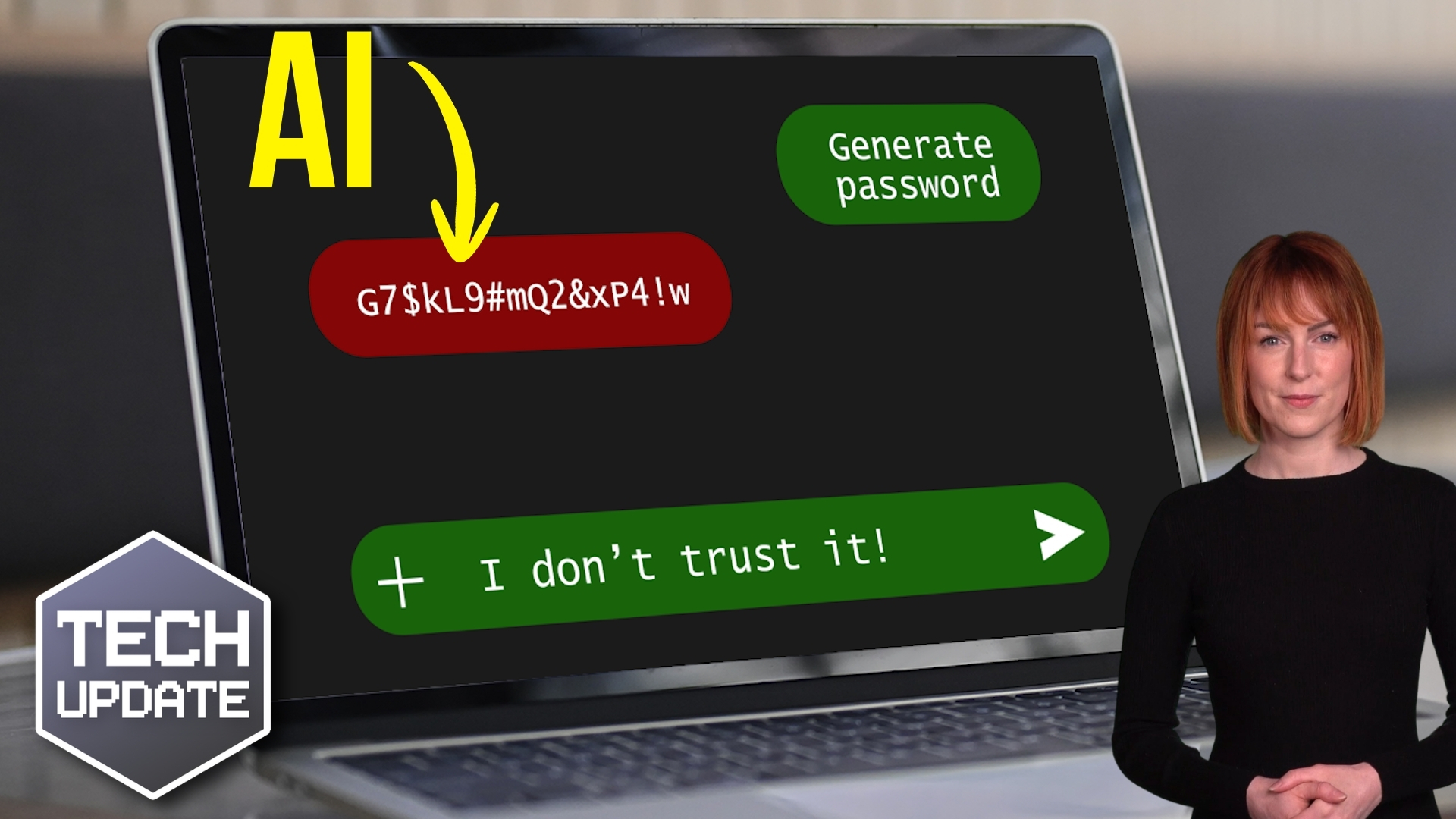
Bridging the trust gap between your employees and AI

Bridging the trust gap between your employees and AI

Have you noticed your employees are reluctant to use AI in the workplace? It may be down to their lack of trust. We explain how to show them AI is a tool that makes work better for everyone.

Unlock your potential with Copilot

Unlock your potential with Copilot

Tried Microsoft Copilot yet? It’s a smart tool baked into the applications you use every day, that could save you time. Here we tell you some cool ways it can help.

90% of cyber attacks start with a simple email. Why?

All it takes is one email... Did you know it can just take one email to bring your entire business to its knees? Why? Because a surprising 90% of cyber attacks begin with an email. And if you and your whole team are reliant on email every day, your chances of falling...
New: Windows 11 AI Agent helps with Settings

New: Windows 11 AI Agent helps with Settings

Ever get lost in your computer’s Settings, just trying to tweak one little thing? There’s a smarter way coming that makes finding and changing settings faster, simpler, and far less frustrating. Find out how it helps to save time, keep things private, and get your team get back to work quickly…

Microsoft’s fixing this annoying Windows 11 fault

Microsoft’s fixing this annoying Windows 11 fault

Fed up seeing useless “Recommendations” in the Windows 11 Start menu? Good news – Microsoft’s making them more helpful. Here’s how the improvements could help your team save time…

Why all businesses should adopt MFA now

Years ago, Multi-Factor Authentication (MFA) used to be called 2FA, or Two Factor Authentication.  This was made up of: Something you have, like a device that can generate a one-time password (OTP). Something you know, like a password. MFA has extended things meaning...
How to create email signatures in Outlook title

Tech Tip: How to create email signatures in Outlook

This Tech Tip will show you how to create and manage email signatures in Outlook. One of the things I get asked about most by new users of Microsoft Office is how to create a professional email signature. Your email signature is not only a useful way to provide your...
Man with magnifying glass

Cyber Essentials: A Guide to CE and its Benefits

Many people have heard of Cyber Essentials (CE), but do you know what it is and what benefits it can bring to your business? This article will discuss what cyber essentials is and how it can help your business and the role that a Cyber Essentials assessor plays in...
Share This
Contact
Love Lane
Cleobury Mortimer
Shropshire DY14 8PE

01299 382 321
[email protected]
Copyright © Blisstech Solution Ltd
Registered No: 08125391 VAT No : 307 5490 05