Criminals are exploiting AI to create more convincing scams • Blisstech Solutions

One of the many cool things about the new wave of Artificial Intelligence tools is their ability to sound convincingly human.

AI chatbots can be prompted to generate text that you’d never know was written by a robot. And they can keep producing it – quickly, and with minimal human intervention.

So it’s no surprise that cybercriminals have been using AI chatbots to try to make their own lives easier.

Police have identified the three main ways crooks have been found to use the chatbot for malicious reasons.

1. Better phishing emails

Until now, terrible spelling and grammar have made it easy to spot many phishing emails. These are intended to trick you into clicking a link to download malware or steal information. AI-written text is way harder to spot, simply because it isn’t riddled with mistakes.

Worse, criminals can make every phishing email they send unique, making it harder for spam filters to spot potentially dangerous content.

2. Spreading misinformation

“Write me ten social media posts that accuse the CEO of the Acme Corporation of having an affair. Mention the following news outlets”.  Spreading misinformation and disinformation may not seem like an immediate threat to you, but it could lead to your employees falling for scams, clicking malware links, or even damage the reputation of your business or members of your team.

3. Creating malicious code

AI can already write pretty good computer code and is getting better all the time. Criminals could use it to create malware.

It’s not the software’s fault – it’s just doing what it’s told – but until there’s a reliable way for the AI creators to safeguard against this, it remains a potential threat.

The creators of AI tools are not the ones responsible for criminals taking advantage of their powerful software. ChatGPT creator OpenAI, for example, is working to prevent its tools from being used maliciously.

This shows the need to stay one step ahead of the cybercrooks in everything we do. That’s why we work so hard with our clients to keep them protected from criminal threats and informed about what’s coming next.

If you’re concerned about your people falling for increasingly sophisticated scams, be sure to keep them updated about how the scams work and what to look out for.

If you need help with that, get in touch.
More Content

Get ready for another game-changer from Teams

Microsoft is working hard to lead the AI revolution and its latest update to Teams will certainly make it a front-runner. We think the potential is unlimited, here we’ll tell you why.

Is that Chrome extension filled with malware?

Is that Chrome extension filled with malware?

Chrome extensions are great for boosting productivity and saving time. But if they’re not the real deal, you could be at risk from malware. We tell you how to stay protected.

Everything you need to know about password managers for your business

If you’re confused about password managers, you’re not alone. A password manager is software that generates safe passwords, remembers them, and auto-fills logins for you. That saves time. But means your business can quickly lock out staff when they leave. Some people...
Laptop on a desk with a picture of a hand holding a globe

Get on top of this now if any of your staff are hybrid working

People are increasingly doing their work remotely and hybrid working has become the new norm. Despite the fact that it has been more than two years since many of us were forced to work from home, too many organisations still do not have the appropriate cyber security...
How to create secure passwords

How to create secure passwords

Weak passwords are one of the biggest security risks to your business.
Why?
Because cyber criminals are getting smarter than ever before. If they manage to crack just one password, they could gain access to your sensitive business data, financial information, or even gain control of your entire system.
Cyber criminals use automated tools to guess passwords, allowing them to try out millions of combinations in seconds. So, if you’re using something like “Password123” or “CompanyName2025”, you’re practically handing them the keys to your business.
A compromised password can lead to big issues, such as:
• Data breaches
• Financial losses
• Identity theft
• Reputation damage
But how do you create strong passwords without driving yourself (and your team) mad?
Think of your password like a secret recipe, where only you should know the ingredients. It should:
• Be at least 14 characters long (the longer, the better)
• Include a mix of uppercase and lowercase letters
• Contain a few numbers and symbols (like @, $, %, or &)
• Not contain any common words or easily guessable information (like birthdays, names, or the word “password”)
Instead of using a single word, you could try a passphrase – a short, random sentence that only you would understand. For example, instead of “Sailing2025”, try something like “Coffee&CloudsAreGreat9!”. This is much harder to crack, yet still easy to remember.
You should also steer clear of these common mistakes:
• Using personal info (your name, birthday, business name, etc.)
• Reusing the same passwords across multiple accounts
• Using simple sequences (“123456” or “abcdef”)
• Storing passwords in an easily accessible place (like a sticky note on your desk)
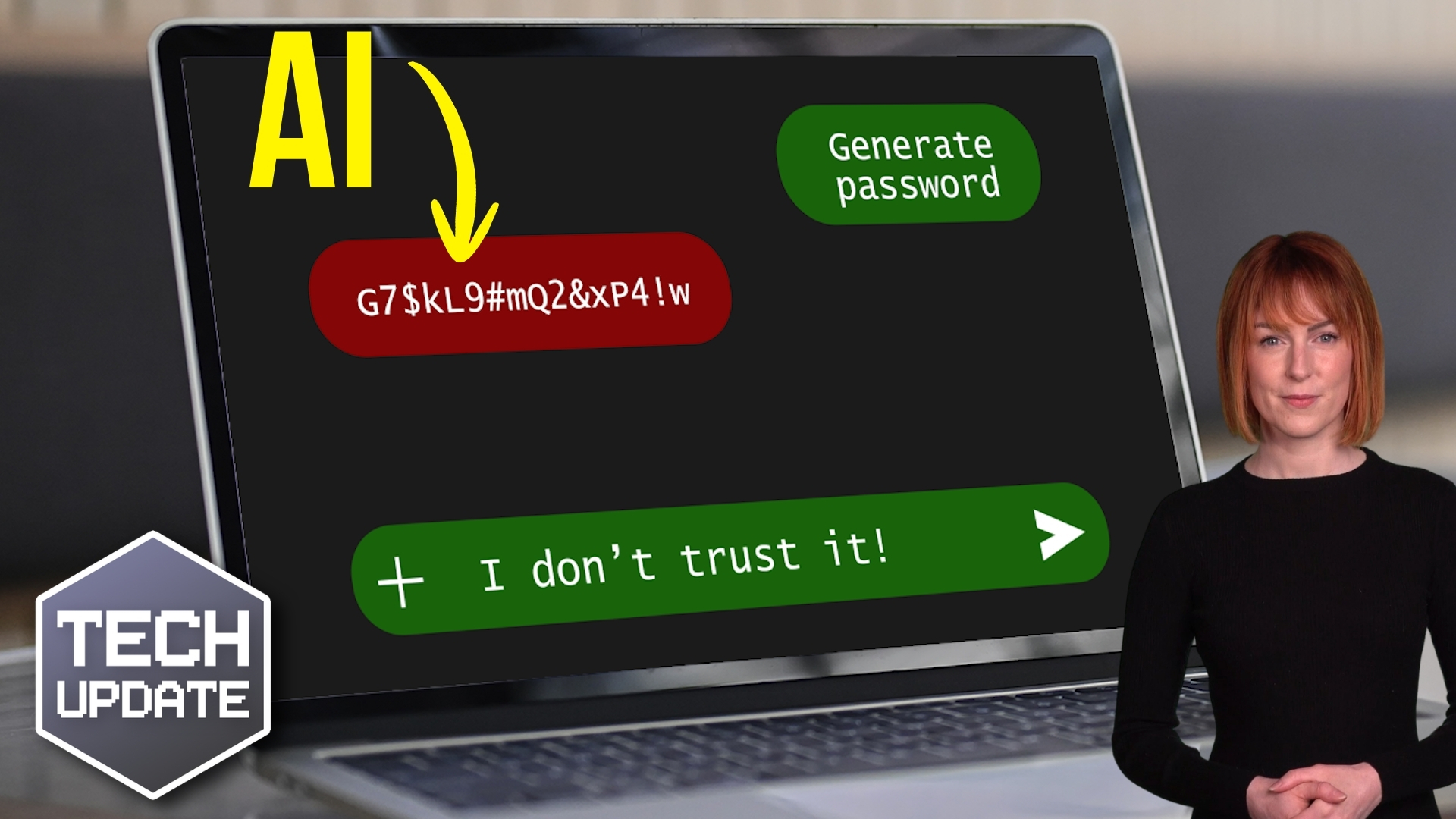
If remembering unique passwords for every account sounds impossible, there is another option: Password managers. These generate strong passwords, store them securely and autofill them for you.
With a password manager, you only need to remember one strong master password for the manager app itself. The rest are encrypted and stored safely, reducing the risk of data breaches.
Even the strongest password isn’t foolproof, which is why multi-factor authentication (MFA) is also important. MFA requires a second form of verification, like a one-time code sent to your phone or generated from an authentication app.
If you have employees accessing your business systems, it’s a good idea to have a password policy in place to explain your rules and why they’re important. This should include:
• Unique passwords for each system and account
• Regular security training on password best practices
• Business-wide use of MFA for critical systems
• Scanning for compromised passwords regularly
By making password security a priority, you can reduce the chances of a cyber attack creating a nightmare for your business.
And if you need help making your business more secure, get in touch.

Pirated software thumbnail

Don’t walk the plank with pirated software

A huge number of small and medium-sized businesses would consider using pirated software to try and save money. Don’t do it.

Tech Tip: How to align in objects in Microsoft PowerPoint

In today's Tuesday's Two Minute Tech Tip Matt shows you how to align objects in PowerPoint. It can be a pain when trying to align things manually in PowerPoint, but there is a handy little feature that makes this easy. This video will show you how to: 👉 How to quickly...

Tech risks law firms can’t afford to ignore

Your law firm runs on trust, deadlines, and confidential data. But small tech decisions can quietly undermine all three. From hybrid working shortcuts to security gaps you don’t see day-to-day, many practices carry risks without realising it. The question is simple:...

Tech Tip: How to get the most out of Google searches

Hello everyone! Today's Tuesday Two Minute Tech-tip shows you how to get the best out of your Google searches. Google search is arguably the best in the world and gives us the internet at our fingertips, but it can be hard to find what you are looking for. This tip...
Employees are falling for 3x more phishing scams

Employees are falling for 3x more phishing scams

Cyber criminals are getting smarter, and businesses are paying the price – especially when it comes to phishing attacks. Here’s what to watch out for…

Share This
Contact
Love Lane
Cleobury Mortimer
Shropshire DY14 8PE

01299 382 321
[email protected]
Copyright © Blisstech Solution Ltd
Registered No: 08125391 VAT No : 307 5490 05