Windows update makes is easy to sign out of Windows 11 again • Blisstech Solutions

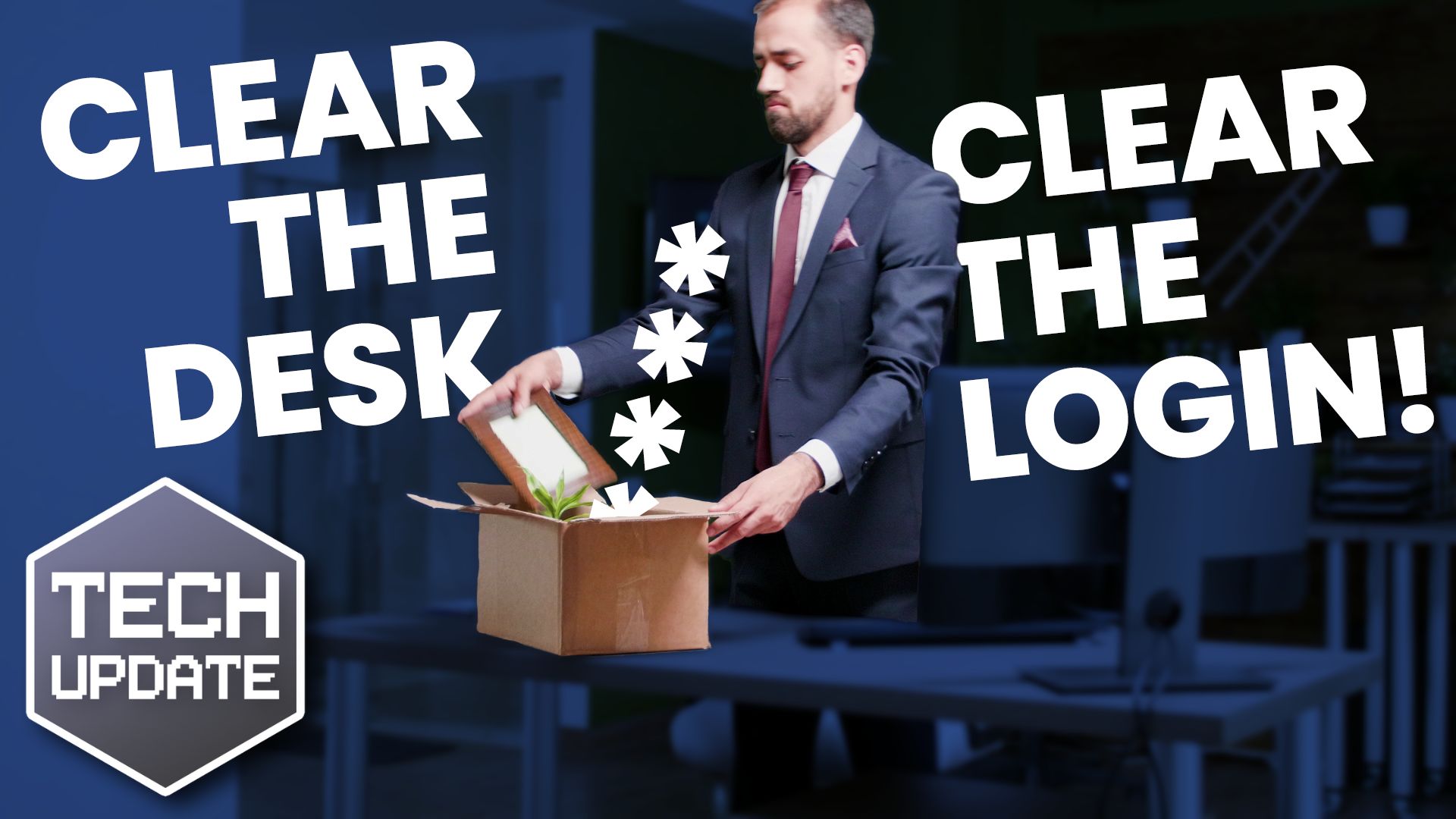
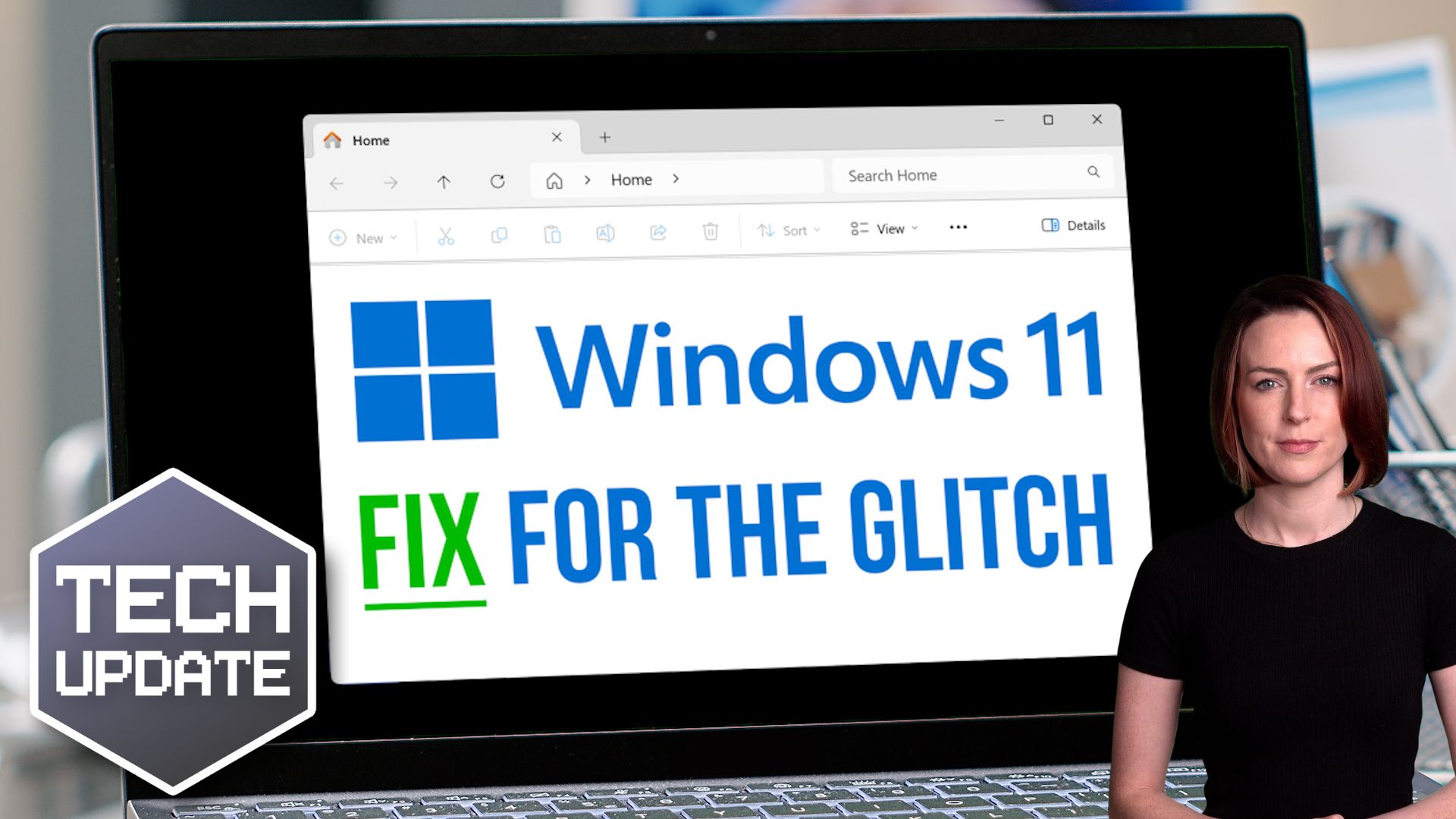
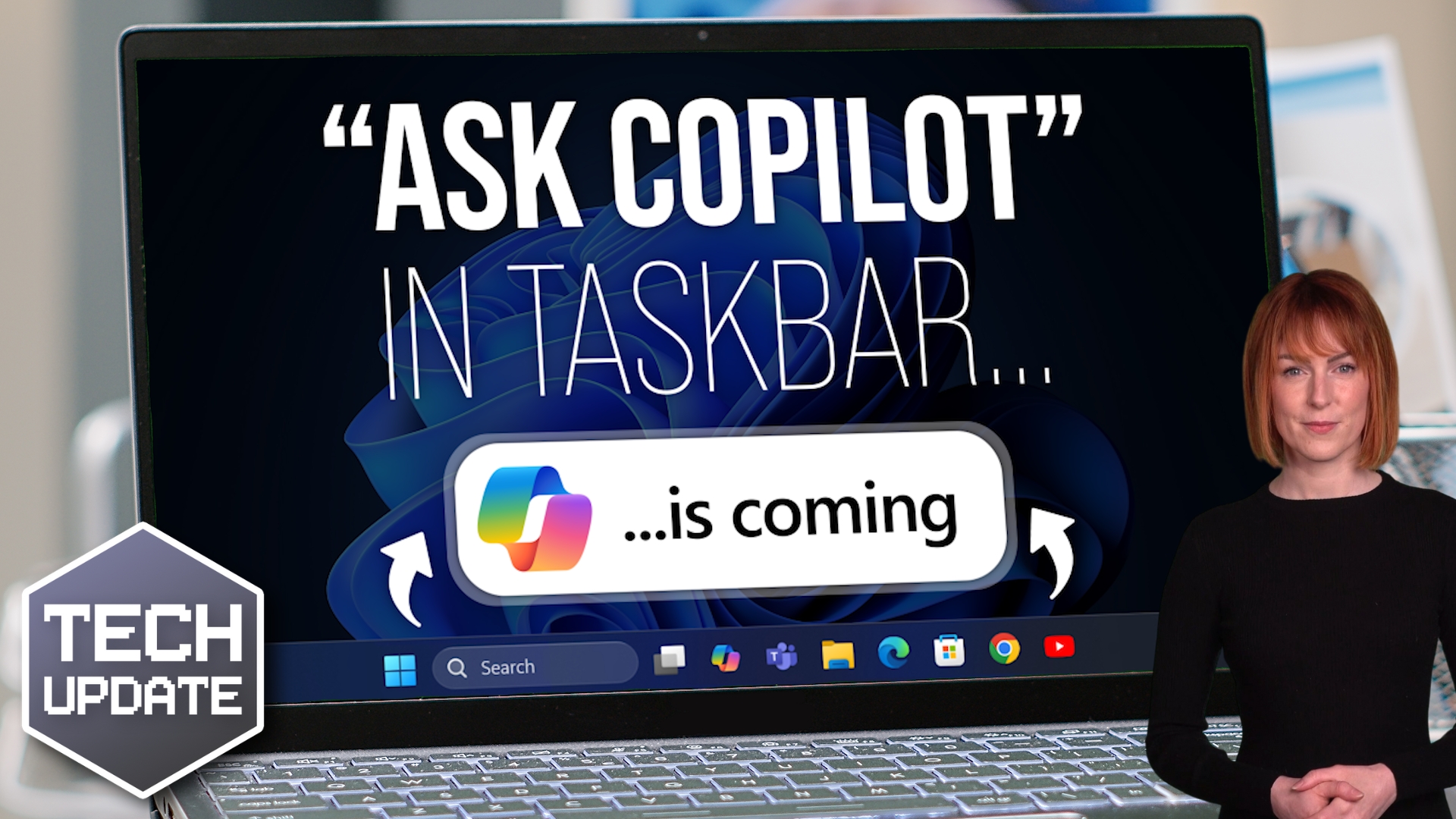
Microsoft recently made changes to the Start menu – and it caused a bit of an uproar as it made it harder to sign out of Windows 11.

Here’s what happened: Microsoft tried streamlining the Start menu by grouping related settings. But they tucked the sign out option behind a three-dot menu, creating confusion for people trying to log out of their accounts.

Thankfully, Microsoft has listened to feedback and is now testing an update that will restore the sign-out button to its previous position, making it easier to sign out of Windows 11.

This is good news for teams that have multiple profiles set up on one computer, as it makes it easier to switch between accounts again.

These changes are part of a broader update to Windows 11 that’s currently being tested. The update will also bring new features like media controls on the lock screen for playing music or videos and the ability to share files directly from your search results.

These updates are great examples of small changes that can positively impact how your team works.

Is it time for you to move your business to Windows 11? We can help you get started; get in touch.

More Content

The anatomy of a cyber ready business

Cyber Readiness: How to Build a Business That’s Tough to Hack

Why Cyber Readiness Matters Cyberattacks aren’t just a problem for big corporations — cybersecurity for small businesses a growing threat too. A single breach can disrupt operations, damage your reputation, and cost you money. The good news? You don’t need a huge...
How to free up disk space on Windows title image

Tech Tip: 3 ways to free up disk space on Windows

Running low on disk space can make your computer run slowly and can cause other problems such as being unable to run applications, install important updates and in some cases cause your computer to crash. This tech tip will show you three ways that you can free up...
Are you ready for next-gen email security? (YES!)

Are you ready for next-gen email security? (YES!)

Sick of spam emails? We have details of a cool new tool to help keep us better protected.

The Grim Reaper hacker attacking businesses without Cyber Essentials

Cyber Essentials: Why Doing the Basics Well Still Protects Most SMEs

If you read the headlines, cyber security can feel like a losing battle. Ransomware, phishing scams, data breaches, every week brings a new story, and every story seems to end the same way: another business in trouble, another customer base shaken, another bill no one...

Tech Tip: How to add your availability to an Outlook Email

Today's Tuesday Two Minute Tech Tip will save you time when arranging meetings. Are you wasting time when trying to book meetings by constantly going back and forth with people trying to find a suitable time? There is a better way to find time for a meeting by using...

Why a business password manager is essential

Still using spreadsheets or sticky notes for your business passwords? It might seem harmless… but it’s one of the biggest risks to your security. Weak or reused passwords are how most hacks happen. And if one login gets leaked, cybercriminals can gain access to...
Say goodbye to hours wasted on PowerPoint slides

Say goodbye to hours wasted on PowerPoint slides

PowerPoint presentations still hold a firm place in many business meetings. But, let’s be honest, they’re a real pain to create. If you regularly use PowerPoint, Microsoft’s got a solution you’ll love…

Tech Tip: How to use Mail Merge

This Tuesday Two Minute Tech-tip shows you how to automate customised emails and letters using Mail Merge. Imagine; you need to send a letter or email to 10s, or even 100s of people with the same base content, but personalised for each recipient. You could manually...

Microsoft 365 makes Multi-Factor Authentication easier

Microsoft is planning to enable Multi-Factor Authentication (MFA) directly in its Outlook app for many 365 business users.

How to create secure passwords

How to create secure passwords

Weak passwords are one of the biggest security risks to your business.
Why?
Because cyber criminals are getting smarter than ever before. If they manage to crack just one password, they could gain access to your sensitive business data, financial information, or even gain control of your entire system.
Cyber criminals use automated tools to guess passwords, allowing them to try out millions of combinations in seconds. So, if you’re using something like “Password123” or “CompanyName2025”, you’re practically handing them the keys to your business.
A compromised password can lead to big issues, such as:
• Data breaches
• Financial losses
• Identity theft
• Reputation damage
But how do you create strong passwords without driving yourself (and your team) mad?
Think of your password like a secret recipe, where only you should know the ingredients. It should:
• Be at least 14 characters long (the longer, the better)
• Include a mix of uppercase and lowercase letters
• Contain a few numbers and symbols (like @, $, %, or &)
• Not contain any common words or easily guessable information (like birthdays, names, or the word “password”)
Instead of using a single word, you could try a passphrase – a short, random sentence that only you would understand. For example, instead of “Sailing2025”, try something like “Coffee&CloudsAreGreat9!”. This is much harder to crack, yet still easy to remember.
You should also steer clear of these common mistakes:
• Using personal info (your name, birthday, business name, etc.)
• Reusing the same passwords across multiple accounts
• Using simple sequences (“123456” or “abcdef”)
• Storing passwords in an easily accessible place (like a sticky note on your desk)
If remembering unique passwords for every account sounds impossible, there is another option: Password managers. These generate strong passwords, store them securely and autofill them for you.
With a password manager, you only need to remember one strong master password for the manager app itself. The rest are encrypted and stored safely, reducing the risk of data breaches.
Even the strongest password isn’t foolproof, which is why multi-factor authentication (MFA) is also important. MFA requires a second form of verification, like a one-time code sent to your phone or generated from an authentication app.
If you have employees accessing your business systems, it’s a good idea to have a password policy in place to explain your rules and why they’re important. This should include:
• Unique passwords for each system and account
• Regular security training on password best practices
• Business-wide use of MFA for critical systems
• Scanning for compromised passwords regularly
By making password security a priority, you can reduce the chances of a cyber attack creating a nightmare for your business.
And if you need help making your business more secure, get in touch.

Share This
Contact
Love Lane
Cleobury Mortimer
Shropshire DY14 8PE

01299 382 321
[email protected]
Copyright © Blisstech Solution Ltd
Registered No: 08125391 VAT No : 307 5490 05