Beware this malware: It “annoys” you into handing over login details • Blisstech Solutions

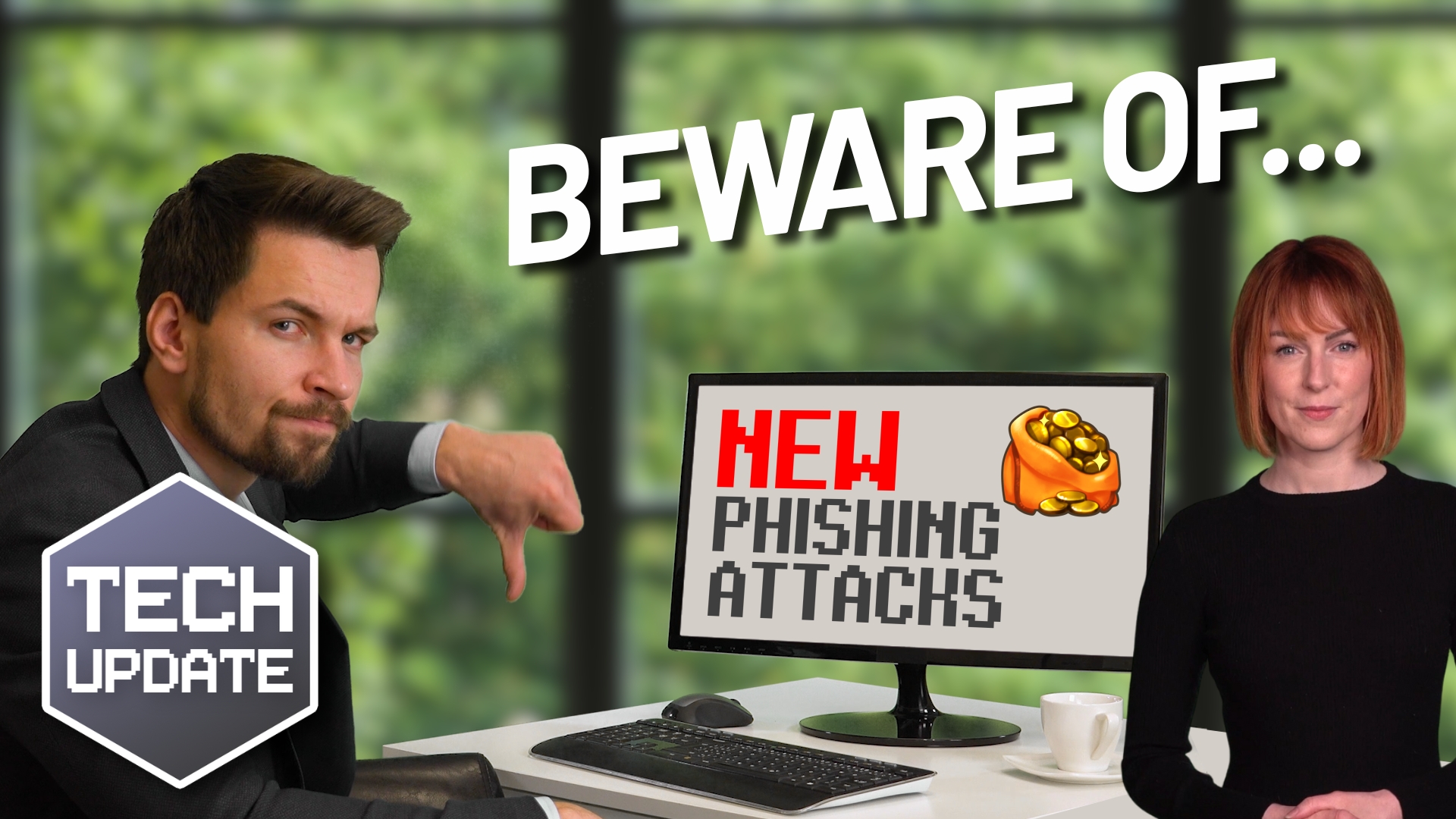
How cautious are you and your team with online security? You know about phishing scams, dodgy downloads, and not clicking suspicious links, right?

But an even sneakier new type of malware (malicious software) wants to frustrate you into giving up your Google login details.

The malware doesn’t have a catchy name yet, but it’s part of a larger threat known as “Amadey,” which has been on the rise since August.

It forces your PC into “kiosk mode” (a setting often used on public computers that only lets you access one window). This allows it to lock your browser in full screen mode, hiding all your usual navigation buttons, such as the address bar and menus. Then, you get sent to a fake Google password reset page.

Normally, you’d just hit the Esc or F11 keys to get out of full-screen mode, right? Well, not this time. It won’t work if the malware has infected your PC. It wants to confuse you into thinking you must enter your password to solve the problem.

The password reset page will look like a real Google page. But the second you type in your details, a second piece of malware hiding in the background steals them, falling right into the hands of cyber criminals.

It’s pretty scary stuff.

But here’s the good news: You can break free without giving up your details.

If your browser gets stuck in full-screen mode, try hitting ALT+TAB to switch tasks or ALT+F4 to force the window to close. Otherwise, try closing it through your task manager (CTRL+ALT+DELETE).

If all else fails, restart your PC by holding down the power button or unplugging it, then get an expert (like us) to look at the malware.

Prevention is always the best approach, though. Be wary if your computer starts behaving strangely, especially if your browser suddenly goes into full-screen mode and won’t let you navigate away.

Avoid clicking on suspicious links or downloading attachments you aren’t sure about. And as tempting as it might be to get past an annoying screen, never enter your password unless you’re 100% sure the website is legit.

If you’d like us to teach your team how to avoid the latest scams, we can help. Get in touch.
More Content

Microsoft Remove Delay Windows 10 Updates in version 2004

We recently wrote an article on how to delay Windows 10 updates so that you can wait until issues are resolved before you install new updates.  However, in the Windows 10 2004 update, Microsoft has removed the ability to delay Feature Updates for up to 365 days in the...

How to get faster Wi-Fi in your office and for remote workers

The quickest way to upset your staff is by giving them slow access to the internet. Bad Wi-Fi quickly creates tension in the team and is a real productivity killer. You don’t have to suffer slow Wi-Fi. Here’s our guide to making Wi-Fi faster whether you’re working in...
The two big threats of doing business on public Wi-Fi

The two big threats of doing business on public Wi-Fi

Public Wi-Fi can be a lifesaver when you must send an urgent email while out of the office. But did you know it can also put your business data at risk? These are the two big threats you and your team need to be aware of…

It’s time to say goodbye to traditional passwords

Say goodbye to traditional passwords, say hello to Passkeys

Passwords could soon be a thing of the past, thanks to Passkeys. If you hate passwords, our latest tech update will make your day…

The BEST protection against ransomware

The BEST protection against ransomware

Ransomware attacks – where hackers steal your data and demand a ransom to give it back – are skyrocketing. You need to have the very best protection in place to keep your data secure. And here’s what that protection is…

Global State of Ransomware Report 2020

Datto have released their annual Global State of the Channel Ransomware Report for 2020. They have interviewed more than 1000 managed service providers (MSPs) around the world. The report gives details on the state of ransomware from the perspective of the...

Why all businesses should adopt MFA now

Years ago, Multi-Factor Authentication (MFA) used to be called 2FA, or Two Factor Authentication.  This was made up of: Something you have, like a device that can generate a one-time password (OTP). Something you know, like a password. MFA has extended things meaning...

Getting to Grips with Email Security

Owners of small and medium-sized businesses often make the mistake of thinking that they aren’t on the criminals’ radar. But more than 40% of cyber attacks are aimed at small businesses – and email is usually the criminals’ way in. Our new guide, ‘Getting to Grips...

Zoom wants to be the new Teams

Zoom is looking for a piece of the MS Teams action with the launch of a whole suite of features and services

Cyber security training once a year isn’t working

Cyber security training once a year isn’t working

You’re wasting your time on annual cyber security training. Why? Because it’s simply not cutting it anymore. Discover a better plan here.

Share This
Contact
Love Lane
Cleobury Mortimer
Shropshire DY14 8PE

01299 382 321
[email protected]
Copyright © Blisstech Solution Ltd
Registered No: 08125391 VAT No : 307 5490 05