Employees are falling for 3x more phishing scams • Blisstech Solutions

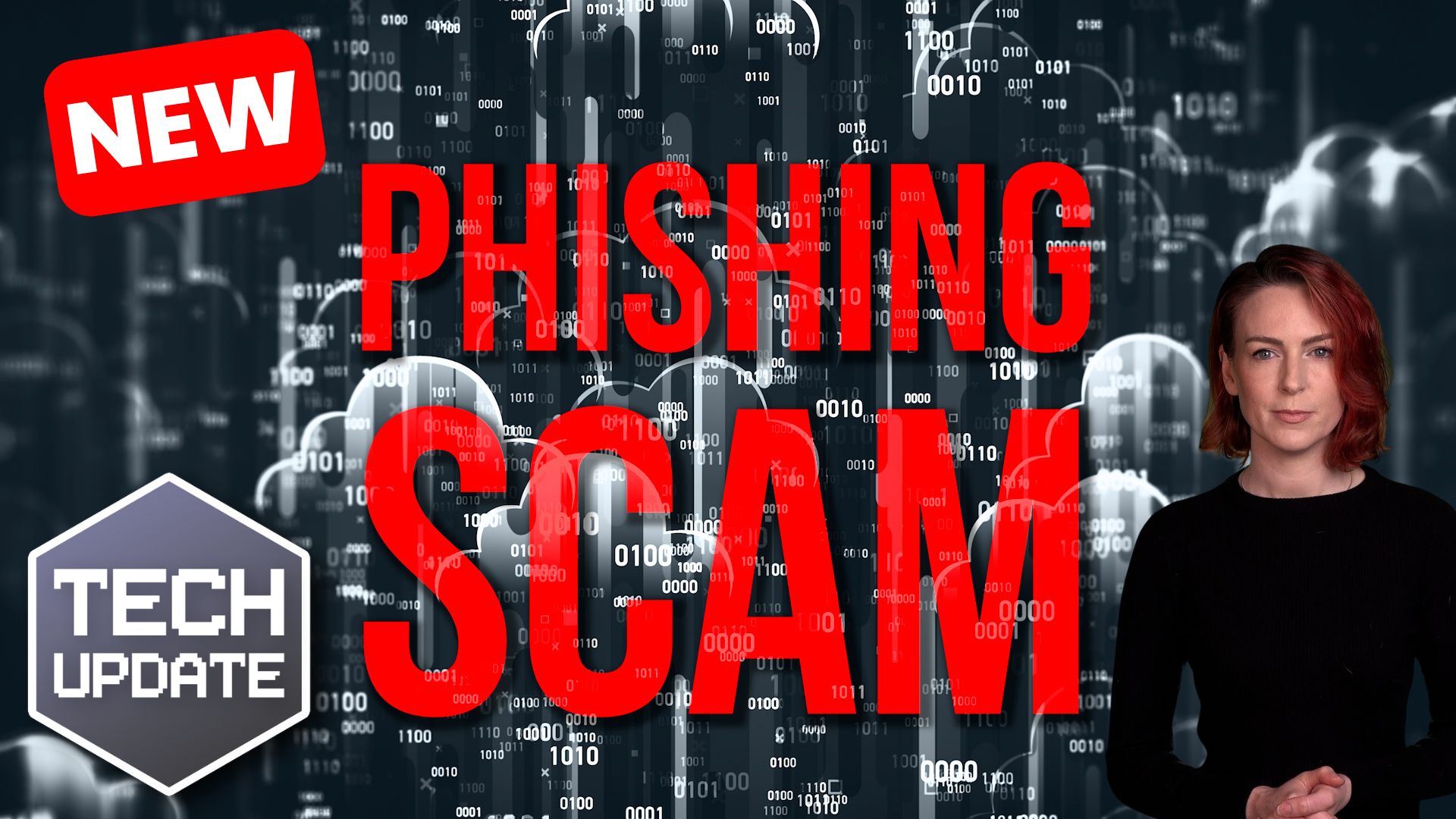
Have you ever wondered how many phishing scams your employees encounter each day? The answer might be a nasty surprise.

Last year, the number of employees clicking on phishing links TRIPLED – and businesses everywhere are paying the price.

Before we dive into this situation a little more, let’s rewind a bit.

Phishing is where scammers try to steal sensitive information (like passwords or payment details) by pretending to be a trusted source.

Maybe your employee gets an email that looks like it’s from Microsoft, with a link to a login page. Once your employee enters their details, that information falls right into the hands of criminals, who then get the keys to your business.

Here’s the worrying part: Phishing attacks aren’t just happening more often, they’re getting harder to spot, too.

Email phishing is still a big issue, but scammers are branching out; planting fake links in search engines, social media, online ads, and website comments. Scammers know that employees are taught to be cautious about emails, so they’re finding new ways to slip through the cracks.

So, why are more people falling for these scams?

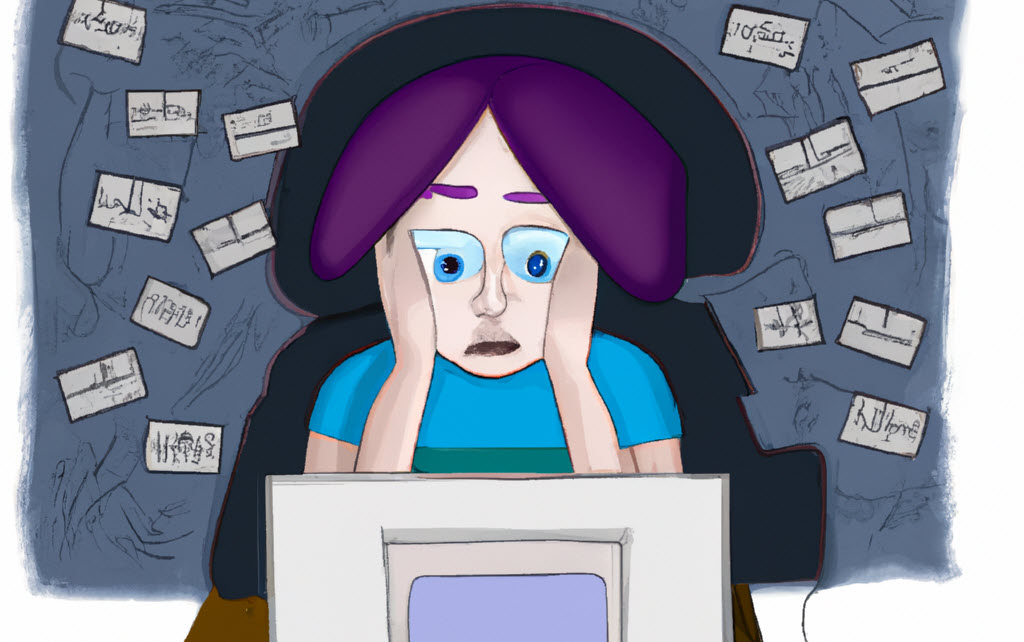
Part of the problem is fatigue. Employees see so many phishing attempts in their inboxes that it’s not easy to keep their guard up every minute of the day. Scammers are also getting more creative, using fake websites and emails that are almost impossible to tell apart from the real thing.

And they’re now targeting trusted platforms like Microsoft 365, which hold a goldmine of business data.

Your people can either be your greatest defence or your biggest vulnerability. A well-trained, alert team can spot phishing attempts before any damage is done. But if they’re unaware or unprepared, a single click can open the door to financial losses, stolen data, and a whole world of trouble for your business.

So, what’s the solution?

Start with education. Make sure your team knows what phishing looks like, not just in emails but across the web. Teach them to question unexpected requests for their login details, double-check links, and report anything suspicious. And don’t rely on memory alone; regular training sessions can keep the risk of phishing scams fresh in your employees’ minds.

At the same time, don’t leave all the responsibility on your team’s shoulders. Tools like multi-factor authentication (MFA) add an extra layer of security, so attackers can’t get in even if a password gets stolen. Combine this with up-to-date software and a strong cybersecurity plan, and you have a better chance of keeping your business safe.

Phishing scams aren’t going away soon, but with the right approach, you can stop your business from becoming another statistic.

Need help protecting your business data? We can help – get in touch.
More Content

Tech Tip: What is Autosave and Version History?

This is the latest Tuesday Two Minute Tech-tip that explains the AutoSave and Version History features of Office 365. When we migrate businesses to Microsoft 365 and they start working with OneDrive and SharePoint, I often hear the question, "How do I save my files...

How to Plan for Upgrading to Windows 11: A Guide

The Clock’s Ticking for Windows 10: Are You Ready? 14th October 2025 is the day Microsoft ends free support for Windows 10. This means no new features, no bug fixes, and no more security updates. You can't risk that. Why Upgrade to Windows 11? Windows 11 offers a...
How to reopen a closed browser tab thumbnail

Tech Tip: How to quickly reopen a closed browser tab

Welcome to a new Tuesday tech tip video, and it's a really quick, but useful one This video shows how to quickly reopen a closed browser tab in Google Chrome or Edge. The video demonstrates a keyboard shortcut (Ctrl+Shift+T) to restore the last closed tab. I will also...
Windows 11 uptake is at an all-time high – what are you waiting for?

Windows 11 uptake is at an all-time high – what are you waiting for?

If you’re still attached to Windows 10, now’s the right time to upgrade. Here’s why…

Microsoft wants you to pay for updates

Microsoft wants you to pay for updates

Microsoft plans to charge for updates to Windows 10 starting next year (2025). We tell you your three options… and which we recommend.

It’s time to say goodbye to traditional passwords

Say goodbye to traditional passwords, say hello to Passkeys

Passwords could soon be a thing of the past, thanks to Passkeys. If you hate passwords, our latest tech update will make your day…

Metal work coming out of a metal apple

Do I need Antivirus on a Mac?

Broadly speaking there are two different types of desktop computer users; Windows users and Mac users (sorry Linux users but you are very much in the minority). Microsoft has included a free antivirus solution called Windows Defender for years because they realised...
Are you ready for next-gen email security? (YES!)

Are you ready for next-gen email security? (YES!)

Sick of spam emails? We have details of a cool new tool to help keep us better protected.

Managed IT Services consultant connects a network cable into switch

What are the benefits of outsourcing IT support?

Have you ever started a DIY task only to wish you had just called in an expert?  Your IT support should be no different. Many business owners think that they can handle their IT systems themselves.  However, unless they have the experience and finger on the pulse of...

Security essentials: How to stop spam before it stops your business

Is your inbox already full of junk before you’ve even had your first coffee? Most people just sigh, delete, and move on. But what if one of those “junk” emails wasn’t just annoying… but dangerous? Spam has evolved. Today it’s one of the easiest ways for cyber...
Share This
Contact
Love Lane
Cleobury Mortimer
Shropshire DY14 8PE

01299 382 321
[email protected]
Copyright © Blisstech Solution Ltd
Registered No: 08125391 VAT No : 307 5490 05