Gadget overload? How many devices do you use at work? • Blisstech Solutions

It feels like we have a gadget for everything these days, right?

The average office worker uses three devices to get through the day. Think desktops, laptops, tablets… and even multiple phones.

Technology keeps teams connected and helps us work smarter, but there’s a downside: Managing so many devices can become a little overwhelming.

What happens whenever we add a new device to our daily work routine? There’s something else to charge. Another thing to carry. One more item to keep track of.

In fact, carrying around all this tech adds an average of 4.1 kg of extra weight. That’s like carrying an air fryer to work every day!

Another issue is the mental load. Many professionals say they feel bogged down by the notifications they receive across all their devices. It’s common to receive dozens of notifications every day, and the constant flow of alerts can be a distraction.

One way to avoid gadget overload is to try out devices that handle many functions, like foldable phones or laptops with a docking station, so they have a single device for the office and remote working. This way, one device could do the same thing two or three of your devices are doing.

Another great strategy is to upgrade to a more intelligent system, like Windows 11.

Windows 11 makes it easier to switch between tasks, reducing the need for extra devices. With a smoother, more integrated experience, your team might not feel they need as many gadgets to stay productive.

Need help streamlining your setup? We can help walk you through the options. Get in touch.
More Content

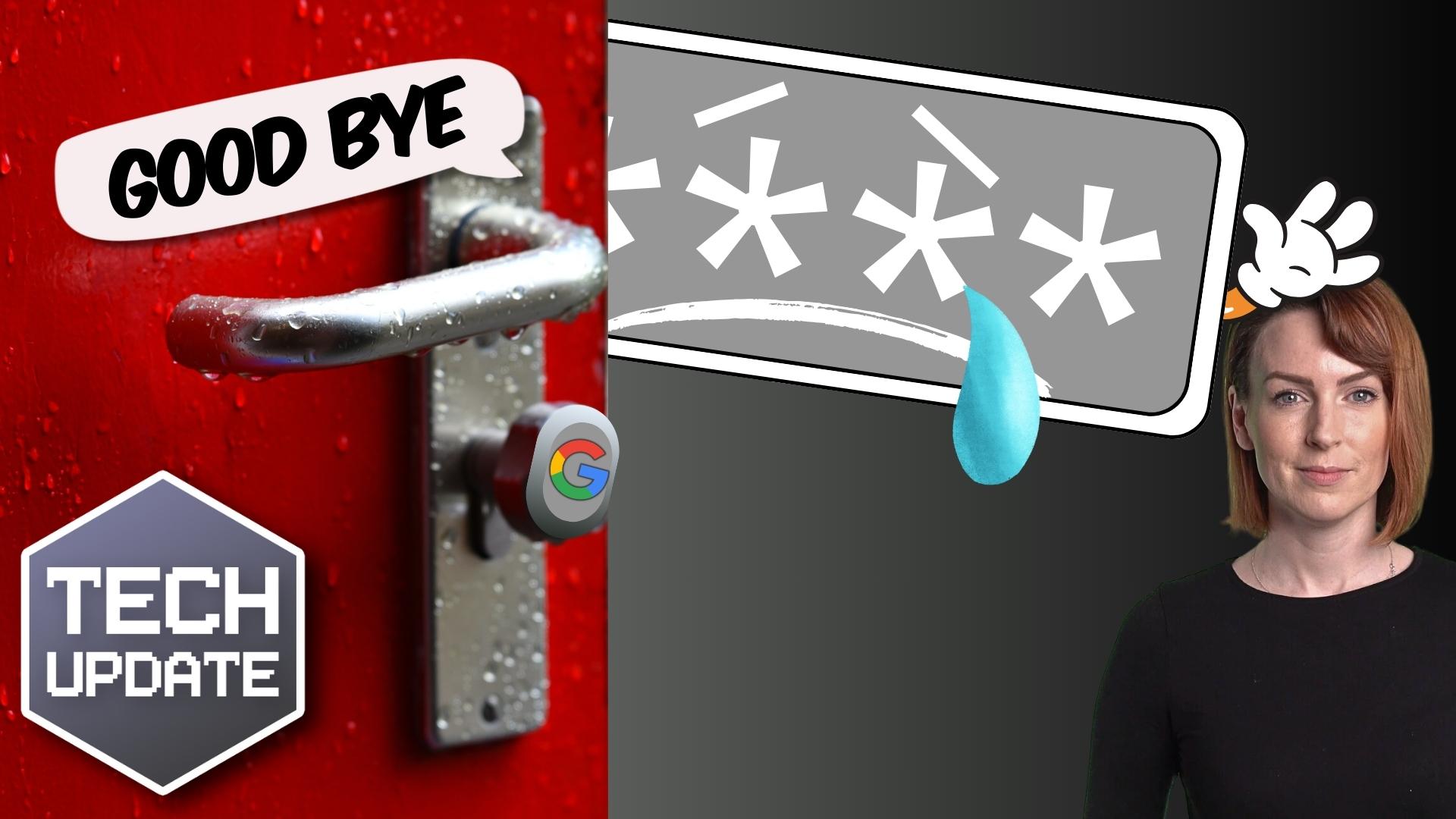
How to create secure passwords

How to create secure passwords

Weak passwords are one of the biggest security risks to your business.
Why?
Because cyber criminals are getting smarter than ever before. If they manage to crack just one password, they could gain access to your sensitive business data, financial information, or even gain control of your entire system.
Cyber criminals use automated tools to guess passwords, allowing them to try out millions of combinations in seconds. So, if you’re using something like “Password123” or “CompanyName2025”, you’re practically handing them the keys to your business.
A compromised password can lead to big issues, such as:
• Data breaches
• Financial losses
• Identity theft
• Reputation damage
But how do you create strong passwords without driving yourself (and your team) mad?
Think of your password like a secret recipe, where only you should know the ingredients. It should:
• Be at least 14 characters long (the longer, the better)
• Include a mix of uppercase and lowercase letters
• Contain a few numbers and symbols (like @, $, %, or &)
• Not contain any common words or easily guessable information (like birthdays, names, or the word “password”)
Instead of using a single word, you could try a passphrase – a short, random sentence that only you would understand. For example, instead of “Sailing2025”, try something like “Coffee&CloudsAreGreat9!”. This is much harder to crack, yet still easy to remember.
You should also steer clear of these common mistakes:
• Using personal info (your name, birthday, business name, etc.)
• Reusing the same passwords across multiple accounts
• Using simple sequences (“123456” or “abcdef”)
• Storing passwords in an easily accessible place (like a sticky note on your desk)
If remembering unique passwords for every account sounds impossible, there is another option: Password managers. These generate strong passwords, store them securely and autofill them for you.
With a password manager, you only need to remember one strong master password for the manager app itself. The rest are encrypted and stored safely, reducing the risk of data breaches.
Even the strongest password isn’t foolproof, which is why multi-factor authentication (MFA) is also important. MFA requires a second form of verification, like a one-time code sent to your phone or generated from an authentication app.
If you have employees accessing your business systems, it’s a good idea to have a password policy in place to explain your rules and why they’re important. This should include:
• Unique passwords for each system and account
• Regular security training on password best practices
• Business-wide use of MFA for critical systems
• Scanning for compromised passwords regularly
By making password security a priority, you can reduce the chances of a cyber attack creating a nightmare for your business.
And if you need help making your business more secure, get in touch.

Logos for Microsoft 365

Migrate to Microsoft 365 manually using PST files

When you are migrating to Microsoft 365 from an existing email provider, you'll want to migrate the emails, contacts and calendar from your users existing mailboxes to their shiny new Microsoft 365 mailboxes.  The best-case scenario is your provider will migrate you...

How to scan a QR code with your phone

As more venues open up for face to face meetings, some are introducing their own track and trace systems using a QR code that you need to scan with your mobile phone. But how? This video explains how to scan a QR code with your phone so you are not trying to figure it...

IT Security Still Top Concern For SMBs

A new report from Kaseya reveals that IT Security is still the top concern for small and medium-sized businesses.  The “2019 State of IT Operations for Small and Midsize Businesses” survey took input from more than 400 global respondents and reveals that 32% of...

10 Simple Tips for Avoiding Phishing Scams: How to Stay Safe Online

10 Simple Tips for Avoiding Phishing Scams: How to Stay Safe Online What is Phishing? Phishing is a common online scam in which cybercriminals try to trick you into sharing personal information, such as passwords and credit card numbers. Phishers often use email or...
How to free up disk space on Windows title image

Tech Tip: 3 ways to free up disk space on Windows

Running low on disk space can make your computer run slowly and can cause other problems such as being unable to run applications, install important updates and in some cases cause your computer to crash. This tech tip will show you three ways that you can free up...

It’s nearing the end for Windows 10 – Are you ready?

It’s time to say goodbye to Windows 10 Next year, we’ll say a final farewell to Windows 10 as it reaches the end of its life. Microsoft is stopping support. This means no new tools or features and no more security updates. If you’re still using Windows 10 in your...
A woman looking at her phone while working from home

Homeworking is bad for IT security

A new homeworking security report from CyberArk has surveyed 3000 remote office workers and IT professionals. It finds that increased homeworking, resulting from the 2020 pandemic, could be bad news for a company’s IT security posture. It has uncovered several...
Lost for words? Draft with Copilot can help

Lost for words? Draft with Copilot can help

If you struggle to find the right words in an email or post, you’d probably love a little help. Draft with Copilot is exactly that. Here we tell you how it works.

Young employees have different attitudes to cyber crime

If you employ anyone aged between 16 and 19, you need to pay special attention to the cyber security training you’re giving your team.

Share This
Contact
Love Lane
Cleobury Mortimer
Shropshire DY14 8PE

01299 382 321
[email protected]
Copyright © Blisstech Solution Ltd
Registered No: 08125391 VAT No : 307 5490 05