AI is making phishing scams more dangerous • Blisstech Solutions

AI chatbots have taken the world by storm in recent months. We’ve been having fun asking ChatGPT questions, trying to find out how much of our jobs it can do, and even getting it to tell us jokes.

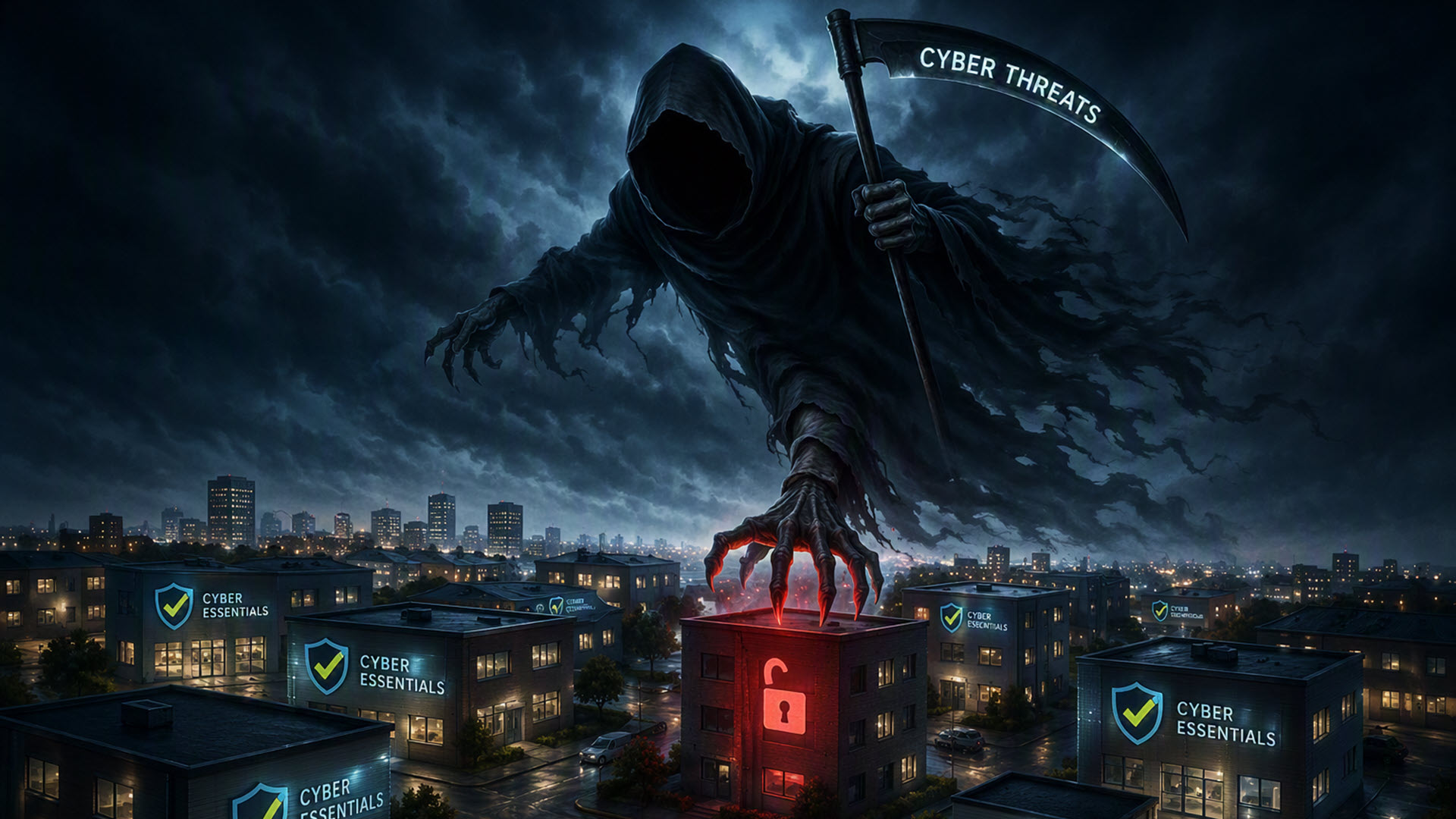
But while lots of people have been having fun, cybercriminals have been powering ahead and finding ways to use AI for more sinister purposes.

They’ve worked out that AI can make their phishing scams harder to detect – and that makes them more successful.

Our advice has always been to be cautious with emails. Read them carefully. Look out for spelling mistakes and grammatical errors. Make sure it’s the real deal before clicking any links.

And that’s still excellent advice.

But ironically, the phishing emails generated by a chatbot feel more human than ever before – which puts you and your people at greater risk of falling for a scam. So we all need to be even more careful.

Crooks are using AI to generate unique variations of the same phishing lure. They’re using it to eradicate spelling and grammar mistakes, and even to create entire email threads to make the scam more plausible.

Security tools to detect messages written by AI are in development, but they’re still a way off.

That means you need to be extra cautious when opening emails – especially ones you’re not expecting. Always check the address the message is sent from, and double-check with the sender (not by replying to the email!) if you have even the smallest doubt.

If you need further advice or team training about phishing scams, get in touch.
More Content

How to create secure passwords

How to create secure passwords

Weak passwords are one of the biggest security risks to your business.
Why?
Because cyber criminals are getting smarter than ever before. If they manage to crack just one password, they could gain access to your sensitive business data, financial information, or even gain control of your entire system.
Cyber criminals use automated tools to guess passwords, allowing them to try out millions of combinations in seconds. So, if you’re using something like “Password123” or “CompanyName2025”, you’re practically handing them the keys to your business.
A compromised password can lead to big issues, such as:
• Data breaches
• Financial losses
• Identity theft
• Reputation damage
But how do you create strong passwords without driving yourself (and your team) mad?
Think of your password like a secret recipe, where only you should know the ingredients. It should:
• Be at least 14 characters long (the longer, the better)
• Include a mix of uppercase and lowercase letters
• Contain a few numbers and symbols (like @, $, %, or &)
• Not contain any common words or easily guessable information (like birthdays, names, or the word “password”)
Instead of using a single word, you could try a passphrase – a short, random sentence that only you would understand. For example, instead of “Sailing2025”, try something like “Coffee&CloudsAreGreat9!”. This is much harder to crack, yet still easy to remember.
You should also steer clear of these common mistakes:
• Using personal info (your name, birthday, business name, etc.)
• Reusing the same passwords across multiple accounts
• Using simple sequences (“123456” or “abcdef”)
• Storing passwords in an easily accessible place (like a sticky note on your desk)
If remembering unique passwords for every account sounds impossible, there is another option: Password managers. These generate strong passwords, store them securely and autofill them for you.
With a password manager, you only need to remember one strong master password for the manager app itself. The rest are encrypted and stored safely, reducing the risk of data breaches.
Even the strongest password isn’t foolproof, which is why multi-factor authentication (MFA) is also important. MFA requires a second form of verification, like a one-time code sent to your phone or generated from an authentication app.
If you have employees accessing your business systems, it’s a good idea to have a password policy in place to explain your rules and why they’re important. This should include:
• Unique passwords for each system and account
• Regular security training on password best practices
• Business-wide use of MFA for critical systems
• Scanning for compromised passwords regularly
By making password security a priority, you can reduce the chances of a cyber attack creating a nightmare for your business.
And if you need help making your business more secure, get in touch.

FBI issues new ransomware warning

FBI issues new ransomware warning

When you hear a warning from the FBI you know things are serious. And that’s why you should take notice of this latest warning about a ransomware group that could target your business. Here’s how you can stay safe…

Consider this before using AI browsers at work

Consider this before using AI browsers at work

Ever wondered what really happens behind the scenes when your team uses an AI-powered browser?
There’s a hidden trade-off between convenience and security that most businesses don’t spot until it’s too late.
And it could affect your sensitive data, your compliance, and even your day-to-day operations…

A woman looking at her phone while working from home

Office 365 and Windows RDS: Maximum Remote Working Flexibility

Windows Remote Desktop Services (RDS) has been around for years. I was using it over 20 years ago and was a fan.  It was an excellent solution for flexible working over slow connections, which is all we had back then!  However, back then, you needed something else to...
Slow PCs? Manage which applications launch at startup

Slow PCs? Manage which applications launch at startup

Your PC might be frustratingly slow because too many applications are starting up when you hit the power button. Windows 11 has a new solution to tell you when new apps are added to your startup list. We have all the details.

Is your email signature putting your business at risk?

When was the last time you gave any thought to your email signature? It’s just there to provide your contact details and maybe boost your branding, right? But have you ever considered exactly how much information you’re giving away? It’s enough to allow someone else...
Beware: Is that Microsoft… or a phishing attempt?

Beware: Is that Microsoft… or a phishing attempt?

Another email from Microsoft. But this time it’s asking you to take urgent action to protect your account. Before you click any links or provide any personal information, ask yourself: Is it really Microsoft? Or could it be a phishing attempt? Here’s how to tell…

Copilot is bringing another productivity boost to Teams

Copilot is bringing another productivity boost to Teams

Teams is getting some Copilot-powered updates that will boost your business’s productivity even further. Here we tell you all about it.

Ransomware Attacks Grow for Small Businesses

Two organisations have recently released reports on the state of ransomware and cybersecurity incidents affecting small businesses. Datto's State of the Channel Ransomware Report Datto has recently released their "State of the Channel Ransomware Report"  for 2019...
Is that Chrome extension filled with malware?

Is that Chrome extension filled with malware?

Chrome extensions are great for boosting productivity and saving time. But if they’re not the real deal, you could be at risk from malware. We tell you how to stay protected.

Share This
Contact
Love Lane
Cleobury Mortimer
Shropshire DY14 8PE

01299 382 321
[email protected]
Copyright © Blisstech Solution Ltd
Registered No: 08125391 VAT No : 307 5490 05