Why you should use a password manager • Blisstech Solutions

Introduction

It can be difficult to keep track of all of your online passwords, especially if you have multiple accounts for different purposes.  But did you know that there is a way to keep all of your passwords safe and secure? A password manager such as LastPass can create and store complex passwords for all of your different online accounts, making it difficult for hackers to gain access to your personal data.

What is a password manager?

A password manager like LastPass is a software program that helps you create and store complex passwords for all of your different online accounts. This makes it difficult for hackers to gain access to your personal data, as they would need to guess multiple passwords in order to access all of your accounts.

How do they work?

When you create an account with a password manager, the program will ask you to create a master password. This is the password that you will use to access all of your other passwords and is the only password you will need to remember.

The software will then create and store complex passwords for all of your different online accounts. It is important to note that these passwords are stored in an encrypted format, so even if a hacker were to gain access to the password manager, they would not be able to read your passwords.

When you need to login to one of your online accounts, the password manager will automatically fill in the correct password for you. You can also use it to generate new passwords when you create new online accounts.

Why you should use a password manager?

There are a number of reasons why you should use a password manager, but here are some of the most important ones:

  1. It can be difficult to keep track of all of your online passwords, especially if you have multiple accounts for different purposes. A password manager can help you keep all of your passwords safe and secure in one place.
  2. They create and store complex passwords for all of your different online accounts, making it difficult for hackers to gain access to your personal data.
  3. They will automatically fill in the correct password for you when you need to login to one of your online accounts, so you don’t need to remember multiple passwords.
  4. Password managers protect you from phishing attacks as they will only fill the passwords into the legitmate website, not a phishing website that is trying to steal your password.
  5. The best password managers (like LastPass) will audit the security of your passwords and tell you which ones are weak, reused across different websites or if your login details have been leaked on the Dark Web.
  6. In a business setting, proving a solution like LastPass for all of your employees helps them to keep their passwords and your business secure.  You can even use it to report on the password health across your whole business.

How to get set up

If you want to start using a password manager to keep your online information safe and secure, here are some steps that you can follow:

  1. Decide which password manager you want to use. There are a number of different password managers available, so you can choose the one that is best for you.
  2. Create an account and choose a master password.
  3. When you next login to your online accounts the password manager will automatically save them for you.
  4. When you next need to login to one of your online accounts, the password manager will automatically fill in the correct password for you.
  5. Use the password manager to generate new passwords when you create new online accounts.

Conclusion

A password manager is a software program that helps you create and store complex passwords for all of your different online accounts. This makes it difficult for hackers to gain access to your personal data, as they would need to guess multiple passwords in order to access all of your accounts.

There are a number of reasons why you should use a password manager, but the most important ones are that it can help you keep track of all of your passwords, creates complex passwords that are difficult for hackers to guess and will automatically fill in the correct password for you when you need to login to one of your accounts.

Overall, a password manager is a valuable tool that can help you keep your online information safe and secure and make keeping your password secure a lot more convenient.

Want to use a solution like LastPass to keep your business secure? Blisstech Solutions can help, so please get in touch.
More Content

Windows is the prime target for cyber criminals

With its huge dominance in the workplace, Microsoft’s Windows has become the prime target for cyber criminals.

How to create secure passwords

How to create secure passwords

Weak passwords are one of the biggest security risks to your business.
Why?
Because cyber criminals are getting smarter than ever before. If they manage to crack just one password, they could gain access to your sensitive business data, financial information, or even gain control of your entire system.
Cyber criminals use automated tools to guess passwords, allowing them to try out millions of combinations in seconds. So, if you’re using something like “Password123” or “CompanyName2025”, you’re practically handing them the keys to your business.
A compromised password can lead to big issues, such as:
• Data breaches
• Financial losses
• Identity theft
• Reputation damage
But how do you create strong passwords without driving yourself (and your team) mad?
Think of your password like a secret recipe, where only you should know the ingredients. It should:
• Be at least 14 characters long (the longer, the better)
• Include a mix of uppercase and lowercase letters
• Contain a few numbers and symbols (like @, $, %, or &)
• Not contain any common words or easily guessable information (like birthdays, names, or the word “password”)
Instead of using a single word, you could try a passphrase – a short, random sentence that only you would understand. For example, instead of “Sailing2025”, try something like “Coffee&CloudsAreGreat9!”. This is much harder to crack, yet still easy to remember.
You should also steer clear of these common mistakes:
• Using personal info (your name, birthday, business name, etc.)
• Reusing the same passwords across multiple accounts
• Using simple sequences (“123456” or “abcdef”)
• Storing passwords in an easily accessible place (like a sticky note on your desk)
If remembering unique passwords for every account sounds impossible, there is another option: Password managers. These generate strong passwords, store them securely and autofill them for you.
With a password manager, you only need to remember one strong master password for the manager app itself. The rest are encrypted and stored safely, reducing the risk of data breaches.
Even the strongest password isn’t foolproof, which is why multi-factor authentication (MFA) is also important. MFA requires a second form of verification, like a one-time code sent to your phone or generated from an authentication app.
If you have employees accessing your business systems, it’s a good idea to have a password policy in place to explain your rules and why they’re important. This should include:
• Unique passwords for each system and account
• Regular security training on password best practices
• Business-wide use of MFA for critical systems
• Scanning for compromised passwords regularly
By making password security a priority, you can reduce the chances of a cyber attack creating a nightmare for your business.
And if you need help making your business more secure, get in touch.

Teams update: No more accidental quitting

Teams update: No more accidental quitting

Ever noticed how it’s the tiny software quirks that cause the most frustration?
If you live in Microsoft Teams meetings, there’s a subtle change rolling out that could make things feel noticeably smoother.
It’s one of those updates everyone will appreciate…

90% of cyber attacks start with a simple email. Why?

All it takes is one email... Did you know it can just take one email to bring your entire business to its knees? Why? Because a surprising 90% of cyber attacks begin with an email. And if you and your whole team are reliant on email every day, your chances of falling...
Is your team using AI well? Copilot can tell you

Is your team using AI well? Copilot can tell you

You’ve adopted Copilot in your business. You know the potential benefits are huge.

But is your team as enthusiastic about using it as you are?

This new feature will tell you…

Copilot could soon auto-open in Microsoft Edge

Copilot could soon auto-open in Microsoft Edge

Is Edge your business’s browser of choice? Microsoft’s thinking of automatically opening Copilot when you use it. It could boost productivity, but there are privacy concerns to be aware of…

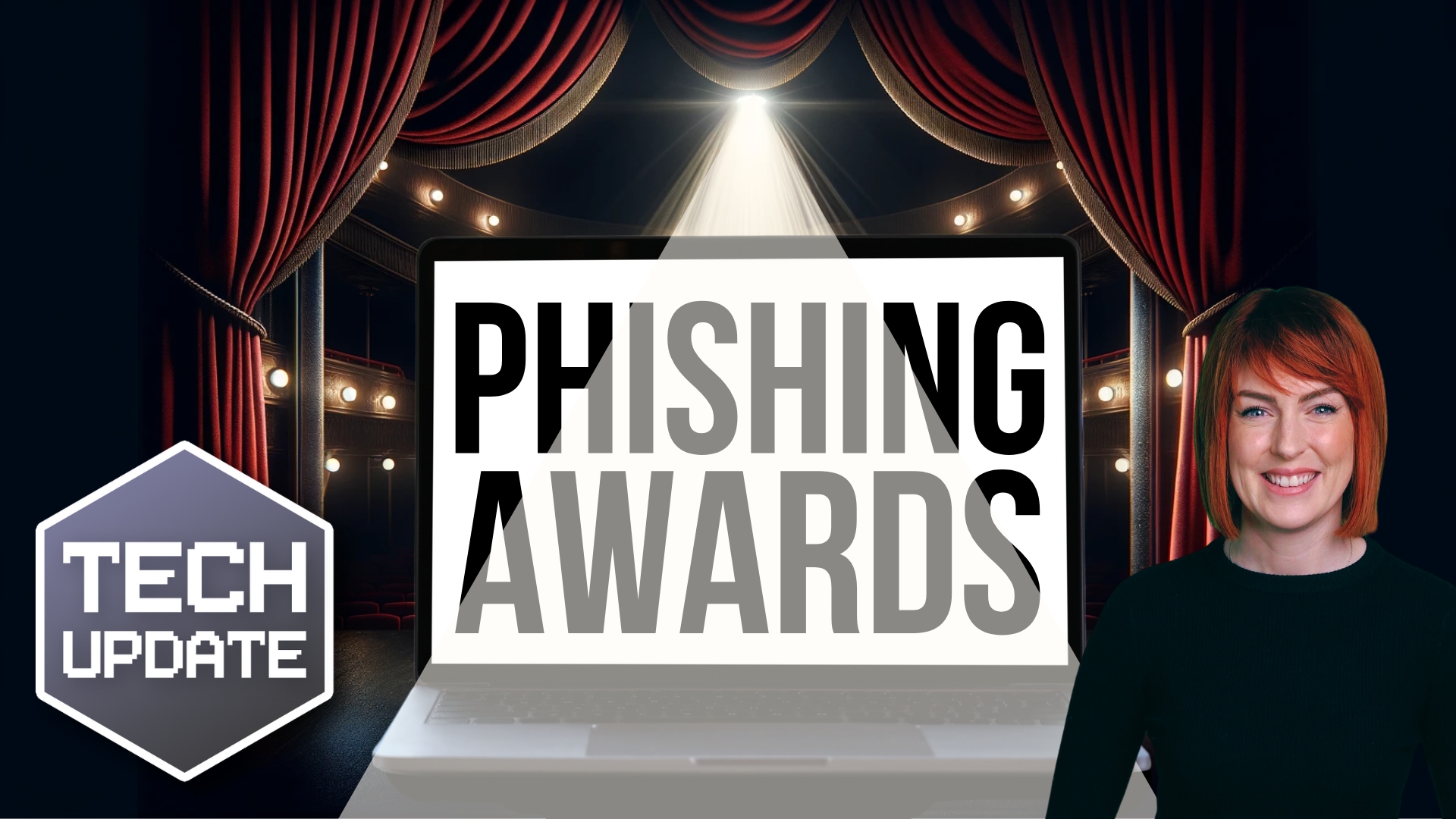
And the award for most common phishing scam goes to…

And the award for most common phishing scam goes to…

Which phishing scam are you and your employees most at risk from? We tell you about the most common phishing emails and the easy way to stay safe.

Facebook Meta: A New Reality?

Facebook Meta: A New Reality? Facebook has been a part of our lives for the past decade and Facebook Meta is Facebook's next step into the future. Facebook Meta is an augmented reality system that will allow users to play games, purchase items, meet friends, and more...
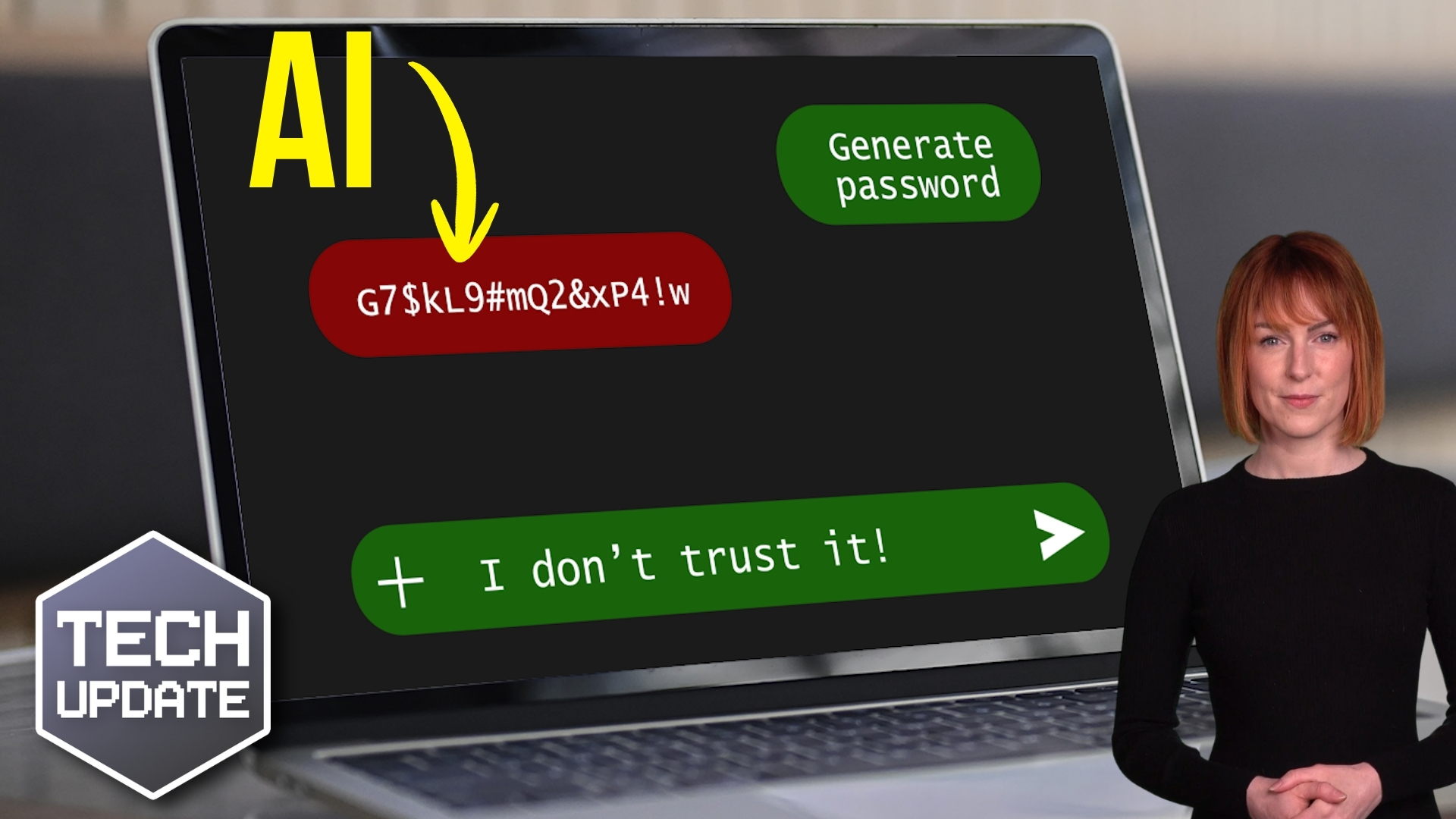
Don’t trust AI with this security essential

Don’t trust AI with this security essential

Are the passwords protecting your business as strong as you think they are?
There’s a growing shortcut that looks clever on the surface, and feels efficient, but could weaken your security without you realizing.
If you’re using AI in your business, this is something you need to understand…

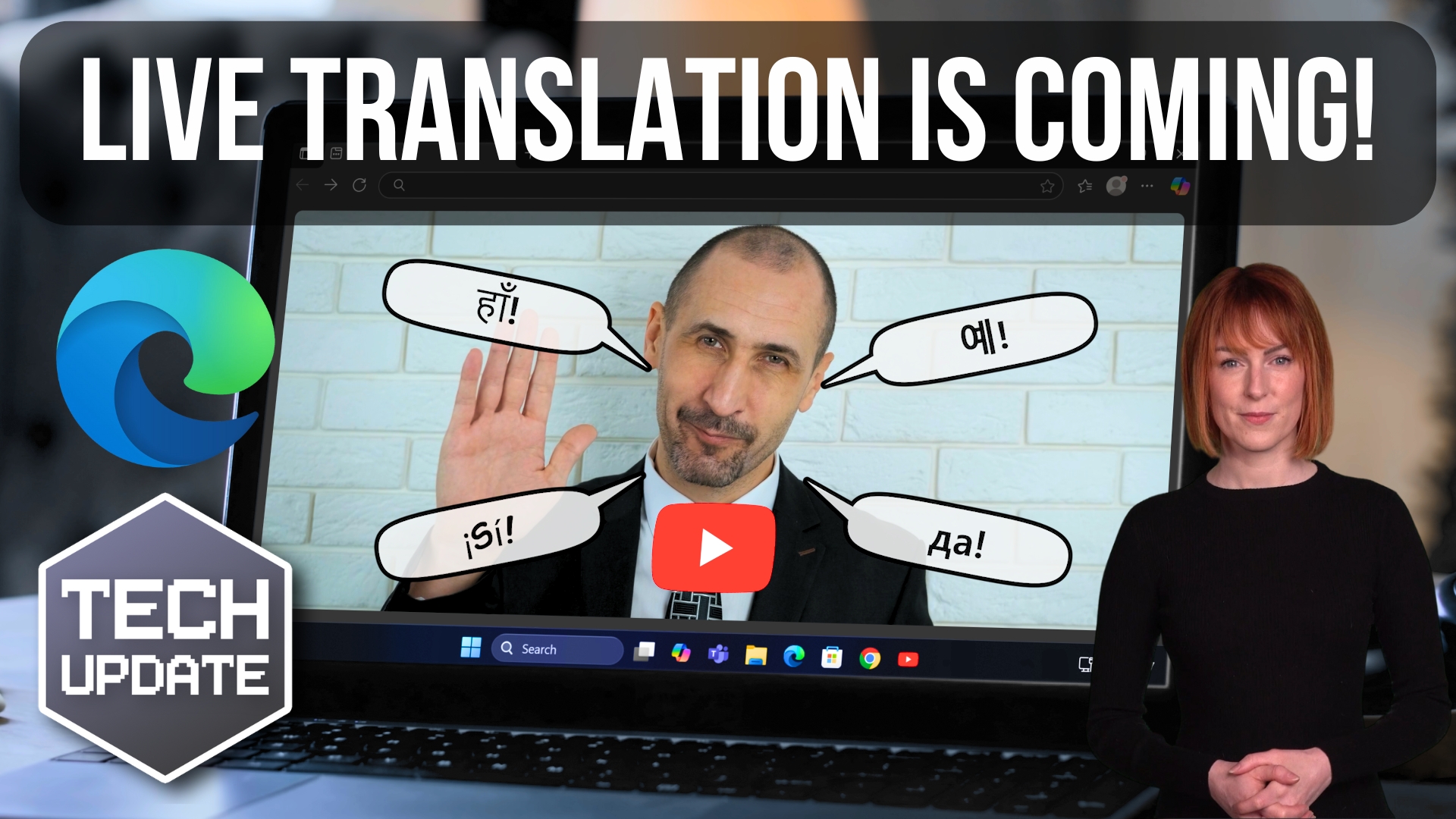
AI audio translation previews in Microsoft Edge

AI audio translation previews in Microsoft Edge

A new AI upgrade in your Edge browser could remove language barriers and make global content instantly accessible. Here’s how…

Share This
Contact
Love Lane
Cleobury Mortimer
Shropshire DY14 8PE

01299 382 321
[email protected]
Copyright © Blisstech Solution Ltd
Registered No: 08125391 VAT No : 307 5490 05