Tech Tip: Capture Your Screen Like a Pro - Essential Screenshot Techniques for Windows • Blisstech Solutions

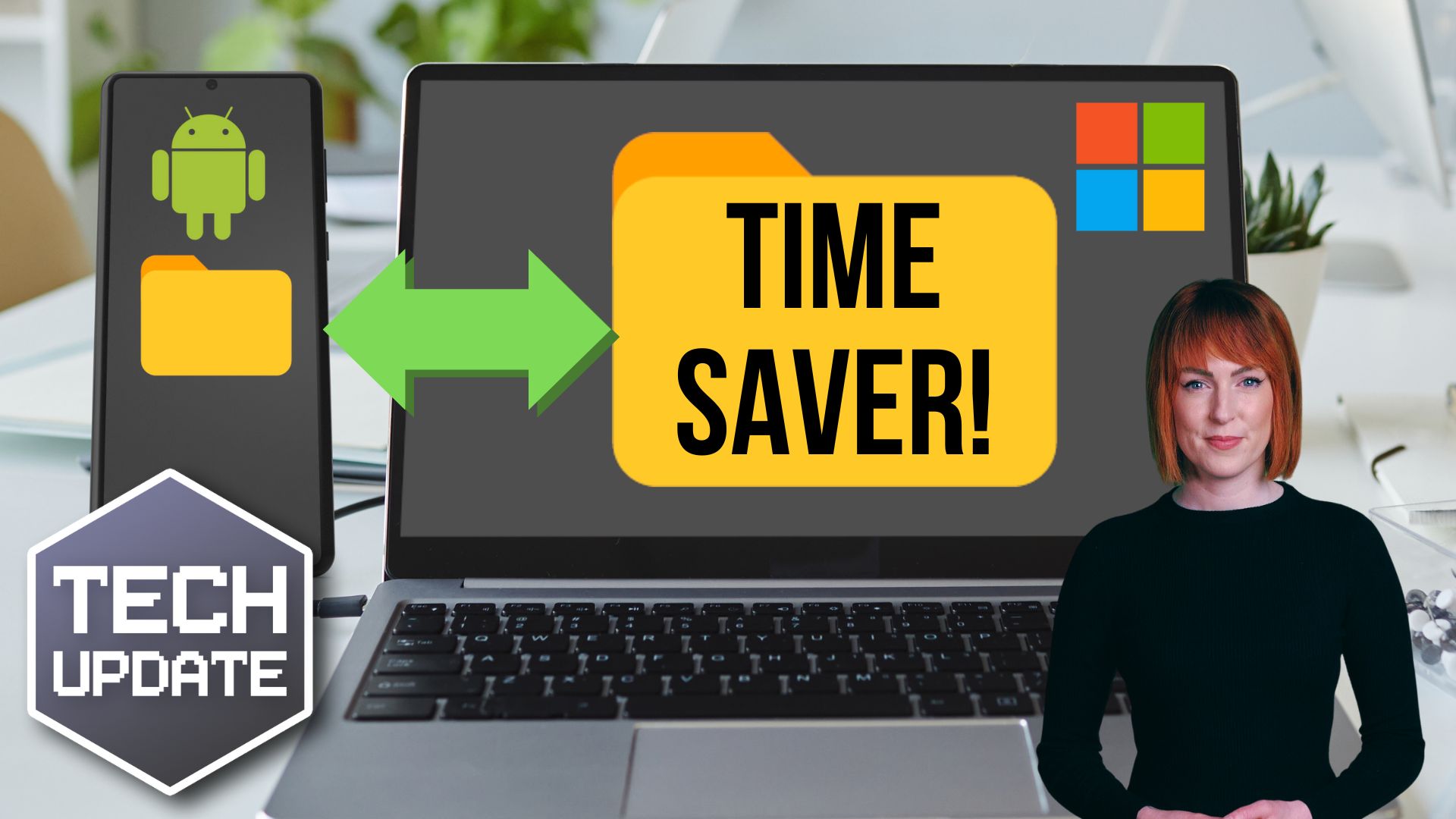
Welcome to a new Tuesday tech tip video where I will show you how to take screenshots in Windows.

Screenshots are an indispensable tool for anyone who uses a computer. They allow us to capture specific areas of our screen, share instructions, document errors, or remember something we’ve seen. While Windows has a built-in screenshot tool, Snagit is a popular premium option offering advanced features. This blog post will guide you through taking screenshots using both tools, catering to casual and power users alike.

This video will show you how to take screenshots with both the Snipping Tool and SnagIt.

  • Windows’ built-in Snipping Tool is a versatile tool for capturing screenshots of various areas of your screen. It’s also free, making it a great choice for those who don’t need the extensive features of paid software.
  • Snagit is a powerful screenshot and screen recording software that offers advanced features like annotations, editing tools, and sharing options. It provides a more flexible and customizable experience compared to the Snipping Tool.

Which Screenshot Method Should I Use?

The choice between the Snipping Tool and Snagit depends on your needs and preferences. For casual users who only need basic screenshot capturing, the Snipping Tool is a sufficient option. However, Snagit is the more comprehensive choice for power users who require advanced editing tools, annotations, and sharing options.

Hopefully, this video will inspire you to give it a go!  If you need any help, please get in touch.

Check out the video to learn more, and subscribe to our YouTube channel.

Thanks for watching.
More Content

Woman sitting at her computer with her head in her hands

Protecting your data – Backup and Restore

Protecting your data - Backup and Restore Backing up your business data is critical. What are the different methods of backing up your data? How can you restore lost or corrupted data? These are all important questions for any business to ask themselves. After reading...
“Ask Copilot” is coming to your Taskbar (but only if you want it to)

“Ask Copilot” is coming to your Taskbar (but only if you want it to)

What if your computer could understand what you mean, not just what you type?
Microsoft’s testing something new in Windows 11 that could completely change how you search, click, and get things done.
It’s smart. It’s optional. And it might save your team a lot of time…

Say goodbye to video call pop-ups (and Teams meeting blushes)

Say goodbye to video call pop-ups (and Teams meeting blushes)

Has a pop-up notification ever embarrassed you while you were on a video call? Microsoft may finally have a feature to stop that happening. Learn more here.

Are you using Teams to share sensitive data?

Microsoft Teams has fast become one of THE most useful business tools for the way we work today. No matter where your people work from, they can communicate and collaborate quickly and reliably. But this remote way of working can also open the door to some MAJOR security issues. New research shows that nearly HALF of employees frequently share confidential …

Tech Tip: How to Sync Teams Files to Your Computer

Hello everyone, welcome to a new Tuesday Two Minute Tech Tip.    👉 Do you use Microsoft 365?    👉 Do you need to collaborate on documents with your colleagues?    👉 Do you want to do this using the same familiar Windows...
How to create secure passwords

How to create secure passwords

Weak passwords are one of the biggest security risks to your business.
Why?
Because cyber criminals are getting smarter than ever before. If they manage to crack just one password, they could gain access to your sensitive business data, financial information, or even gain control of your entire system.
Cyber criminals use automated tools to guess passwords, allowing them to try out millions of combinations in seconds. So, if you’re using something like “Password123” or “CompanyName2025”, you’re practically handing them the keys to your business.
A compromised password can lead to big issues, such as:
• Data breaches
• Financial losses
• Identity theft
• Reputation damage
But how do you create strong passwords without driving yourself (and your team) mad?
Think of your password like a secret recipe, where only you should know the ingredients. It should:
• Be at least 14 characters long (the longer, the better)
• Include a mix of uppercase and lowercase letters
• Contain a few numbers and symbols (like @, $, %, or &)
• Not contain any common words or easily guessable information (like birthdays, names, or the word “password”)
Instead of using a single word, you could try a passphrase – a short, random sentence that only you would understand. For example, instead of “Sailing2025”, try something like “Coffee&CloudsAreGreat9!”. This is much harder to crack, yet still easy to remember.
You should also steer clear of these common mistakes:
• Using personal info (your name, birthday, business name, etc.)
• Reusing the same passwords across multiple accounts
• Using simple sequences (“123456” or “abcdef”)
• Storing passwords in an easily accessible place (like a sticky note on your desk)
If remembering unique passwords for every account sounds impossible, there is another option: Password managers. These generate strong passwords, store them securely and autofill them for you.
With a password manager, you only need to remember one strong master password for the manager app itself. The rest are encrypted and stored safely, reducing the risk of data breaches.
Even the strongest password isn’t foolproof, which is why multi-factor authentication (MFA) is also important. MFA requires a second form of verification, like a one-time code sent to your phone or generated from an authentication app.
If you have employees accessing your business systems, it’s a good idea to have a password policy in place to explain your rules and why they’re important. This should include:
• Unique passwords for each system and account
• Regular security training on password best practices
• Business-wide use of MFA for critical systems
• Scanning for compromised passwords regularly
By making password security a priority, you can reduce the chances of a cyber attack creating a nightmare for your business.
And if you need help making your business more secure, get in touch.

Bot malware is a growing security threat

Bot malware is a worrying new security risk. Malware bots steal whole user profiles – that’s a complete snapshot of your ID and settings.

Microsoft’s fixing this annoying Windows 11 fault

Microsoft’s fixing this annoying Windows 11 fault

Fed up seeing useless “Recommendations” in the Windows 11 Start menu? Good news – Microsoft’s making them more helpful. Here’s how the improvements could help your team save time…

Shady character in a mask sitting by computer screens

A new zero-day vulnerability in Windows

Introduction A new zero-day vulnerability in Windows Search has been discovered which can be exploited to automatically open a malicious search window containing remotely-hosted malware executables. The vulnerability is triggered when a user launches a Word document,...
The BEST protection against ransomware

The BEST protection against ransomware

Ransomware attacks – where hackers steal your data and demand a ransom to give it back – are skyrocketing. You need to have the very best protection in place to keep your data secure. And here’s what that protection is…

Share This
Contact
Love Lane
Cleobury Mortimer
Shropshire DY14 8PE

01299 382 321
[email protected]
Copyright © Blisstech Solution Ltd
Registered No: 08125391 VAT No : 307 5490 05