Are you using Teams to share sensitive data? • Blisstech Solutions

Microsoft Teams has fast become one of THE most useful business tools for the way we work today.

No matter where your people work, they can communicate and collaborate quickly and reliably.

But this remote way of working can also open the door to some MAJOR security issues.

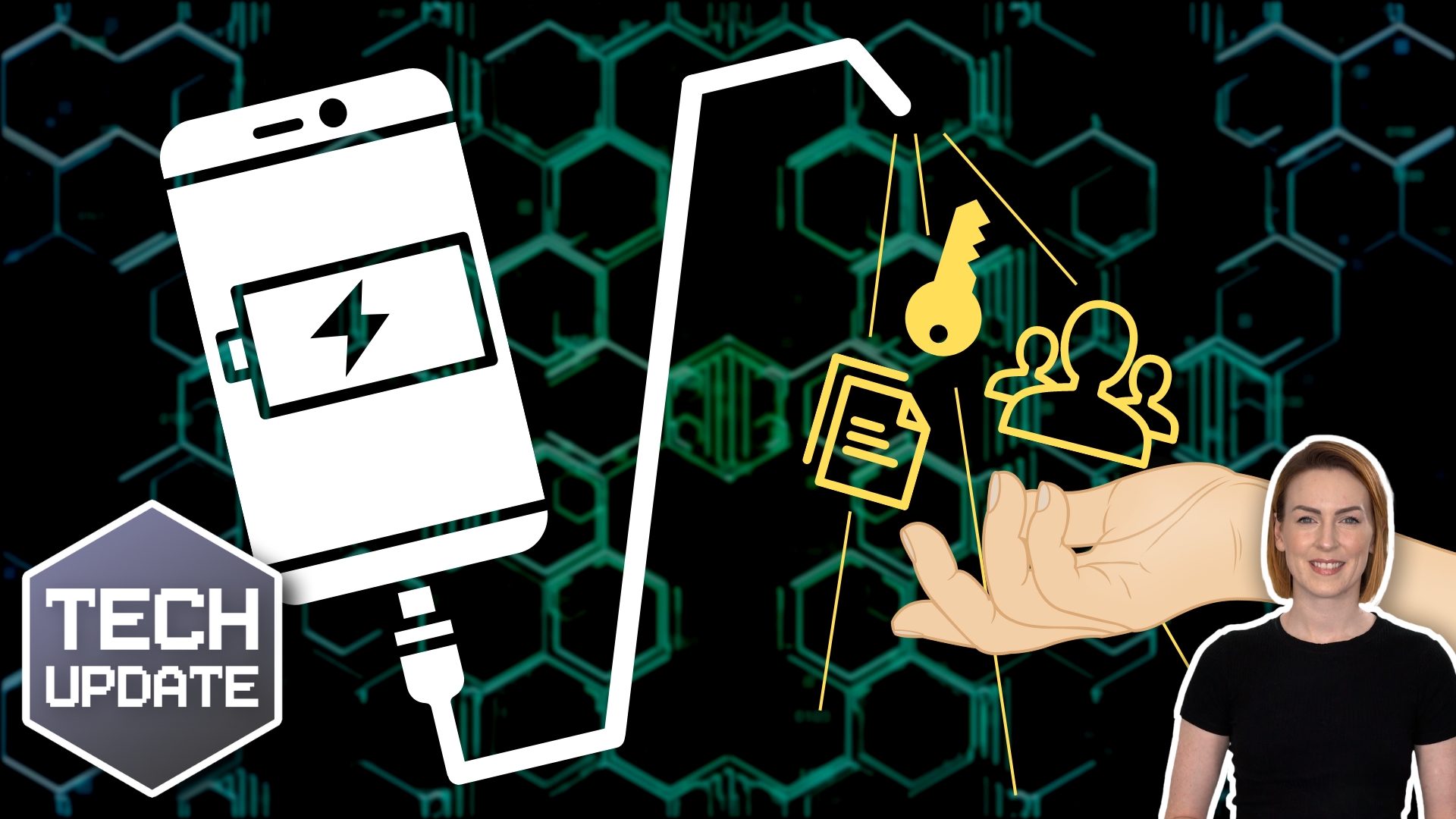
New research from Hornet Security shows that nearly HALF of employees frequently share confidential and sensitive data via Teams.

That can be a big problem if employees are using personal equipment rather than company-issued kit… it’s simply not as secure as work devices.

More than half of people surveyed say they’ve shared ‘business critical’ information using personal devices. Worse still, 48% admitted they’ve accidentally sent files they shouldn’t have – possibly to the wrong person!

So how can you be sure that your people are using Teams in the safest, most secure way?

The solution lies with regular training and cyber security awareness for employees at all levels of your business – from trainee to CEO.

And you need to make sure you have all the right safeguards in place to protect your sensitive business data. Because if it falls into the wrong hands, the results could be an expensive nightmare, potentially with legal consequences. Just imagine if sensitive employee information got shared outside of the business…

Remember, even a trusted app like Teams is only as safe as the people who use it and its installed devices.

If you need help with cyber security training or putting the right protections in place, get in touch.
More Content

Windows 11 optional update: Why it’s better to wait  

Microsoft has just announced an option for people to trial new features before their general release in Windows 11.  This isn’t about fixes to security flaws – everyone gets those at the same time.   This is an opportunity for businesses to jump the queue to receive new features and updates first.  Sound exciting?   Yes!   Worth the risk?   Not quite.  Our …
Read More

Say goodbye to video call pop-ups (and Teams meeting blushes)

Say goodbye to video call pop-ups (and Teams meeting blushes)

Has a pop-up notification ever embarrassed you while you were on a video call? Microsoft may finally have a feature to stop that happening. Learn more here.

Start it on your phone… finish it on your PC?

Start it on your phone… finish it on your PC with “Hand Off”

If you work on your phone while you’re on the move, it can be a hassle to find the right file once you’re back at your PC. Here we tell you about a cool new feature coming to Windows 11 that will help.

Your business’s passwords are still too weak

Your business’s passwords are still too weak

“iloveyou”, “12345”, “qwerty1”. If I’ve just guessed all your passwords, you need to change them, immediately. Why? Because your passwords are STILL too weak. It’s a big problem…

How concerned should you be about cyber attacks?

How concerned should you be about cyber attacks?

You’ve probably heard a lot of talk about cyber attacks but how worried should you really be? Well, very, because cyber criminals are getting smarter. We have good news to share about how you can protect your business

Microsoft Remove Delay Windows 10 Updates in version 2004

We recently wrote an article on how to delay Windows 10 updates so that you can wait until issues are resolved before you install new updates.  However, in the Windows 10 2004 update, Microsoft has removed the ability to delay Feature Updates for up to 365 days in the...

Tech Tip: Capture Your Screen Like a Pro – Essential Screenshot Techniques for Windows

Welcome to a new Tuesday tech tip video where I will show you how to take screenshots in Windows. Screenshots are an indispensable tool for anyone who uses a computer. They allow us to capture specific areas of our screen, share instructions, document errors, or...
Digital dinosaur

7 Cybersecurity Threats That Could Wipe Out Your Business

Cyberattacks aren’t rare anymore—they’re routine, and cybersecurity for small businesses has never been more important. Whether you’re a small business or a growing enterprise, the threats are real, relentless, and evolving faster than traditional defences can keep...
How to create secure passwords

How to create secure passwords

Weak passwords are one of the biggest security risks to your business.
Why?
Because cyber criminals are getting smarter than ever before. If they manage to crack just one password, they could gain access to your sensitive business data, financial information, or even gain control of your entire system.
Cyber criminals use automated tools to guess passwords, allowing them to try out millions of combinations in seconds. So, if you’re using something like “Password123” or “CompanyName2025”, you’re practically handing them the keys to your business.
A compromised password can lead to big issues, such as:
• Data breaches
• Financial losses
• Identity theft
• Reputation damage
But how do you create strong passwords without driving yourself (and your team) mad?
Think of your password like a secret recipe, where only you should know the ingredients. It should:
• Be at least 14 characters long (the longer, the better)
• Include a mix of uppercase and lowercase letters
• Contain a few numbers and symbols (like @, $, %, or &)
• Not contain any common words or easily guessable information (like birthdays, names, or the word “password”)
Instead of using a single word, you could try a passphrase – a short, random sentence that only you would understand. For example, instead of “Sailing2025”, try something like “Coffee&CloudsAreGreat9!”. This is much harder to crack, yet still easy to remember.
You should also steer clear of these common mistakes:
• Using personal info (your name, birthday, business name, etc.)
• Reusing the same passwords across multiple accounts
• Using simple sequences (“123456” or “abcdef”)
• Storing passwords in an easily accessible place (like a sticky note on your desk)
If remembering unique passwords for every account sounds impossible, there is another option: Password managers. These generate strong passwords, store them securely and autofill them for you.
With a password manager, you only need to remember one strong master password for the manager app itself. The rest are encrypted and stored safely, reducing the risk of data breaches.
Even the strongest password isn’t foolproof, which is why multi-factor authentication (MFA) is also important. MFA requires a second form of verification, like a one-time code sent to your phone or generated from an authentication app.
If you have employees accessing your business systems, it’s a good idea to have a password policy in place to explain your rules and why they’re important. This should include:
• Unique passwords for each system and account
• Regular security training on password best practices
• Business-wide use of MFA for critical systems
• Scanning for compromised passwords regularly
By making password security a priority, you can reduce the chances of a cyber attack creating a nightmare for your business.
And if you need help making your business more secure, get in touch.

Microsoft: Criminals can access your accounts without your password

Microsoft: Criminals can access your accounts without your password

Just when you think you’ve got cyber security sorted for your business, a new scam comes along. This time, cyber criminals don’t even need to trick you out of your password to access your accounts… they can fool you with something called a “device code”.

Share This
Contact
Love Lane
Cleobury Mortimer
Shropshire DY14 8PE

01299 382 321
[email protected]
Copyright © Blisstech Solution Ltd
Registered No: 08125391 VAT No : 307 5490 05