New Microsoft 365 phishing scam is smarter than ever… here’s how to protect your business • Blisstech Solutions

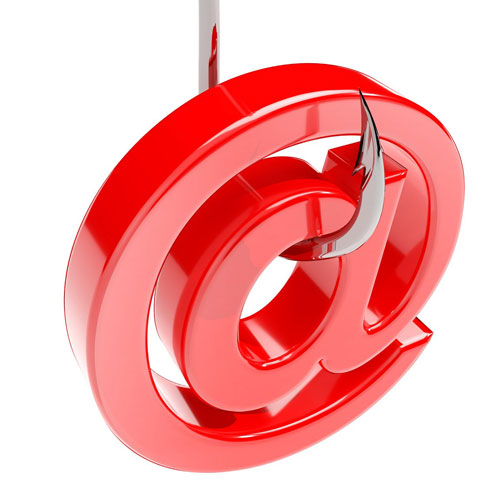
Microsoft is warning business owners about a new type of Microsoft 365 phishing scam (where cyber criminals pose as a trusted source to trick you into giving away login info), which uses popular cloud services like SharePoint and OneDrive.

Although these platforms are usually safe, scammers have figured out how to trick privacy settings to get past security checks.

The scammers hack your cloud storage by stealing your login details or buying them on the black market.

Once they get inside, they upload a file that is designed to look authentic – like a fake Microsoft 365 login page. They set the file to “view-only” or limit access to specific people, such as you and your team.

Opening these files or following any links inside the emails could cause serious damage to your business. Scammers can use your information to access your systems, or they can install malware (malicious software) that lets them cause disruption and steal information.

Recovering from these kinds of attacks can be expensive and time-consuming – not to mention the damage it could do to your business’s reputation.

Make sure your employees are aware of this new threat and know to be cautious when opening emails, even if they appear to come from a trusted service.

Before opening any shared files, double-check the sender’s identity. If something feels off, contact the sender directly to verify it.

Make sure you use multi-factor authentication (MFA) across all your team’s devices. This adds an extra layer of security by requiring a second piece of information (like a code sent to your phone) along with your password.

Also, keep your security software up to date so that it’s always ready to block the latest types of attack.

Would you like us to help protect your business with added security, training, and monitoring? Get in touch.
More Content

Snip and Sketch video thumbnail

Tech Tip: How to use the Snip and Sketch tool

This is a Tech Tip on how to use the really handy Snip and Sketch Tool built into Windows. Who said that "a picture paints a thousand words"? I'll leave you to Google that one as I couldn't work it out! Anyway, there are times when an image is the best way to...
Microsoft’s browser takes back the Edge with streamlined settings

Microsoft’s browser takes the Edge with streamlined settings

Trying to find your way through the Settings menu in Microsoft Edge might leave you overwhelmed but a new update is about to make it easier. Here we tell you how.

How to reopen a closed browser tab thumbnail

Tech Tip: How to quickly reopen a closed browser tab

Welcome to a new Tuesday tech tip video, and it's a really quick, but useful one This video shows how to quickly reopen a closed browser tab in Google Chrome or Edge. The video demonstrates a keyboard shortcut (Ctrl+Shift+T) to restore the last closed tab. I will also...
How to create secure passwords

How to create secure passwords

Weak passwords are one of the biggest security risks to your business.
Why?
Because cyber criminals are getting smarter than ever before. If they manage to crack just one password, they could gain access to your sensitive business data, financial information, or even gain control of your entire system.
Cyber criminals use automated tools to guess passwords, allowing them to try out millions of combinations in seconds. So, if you’re using something like “Password123” or “CompanyName2025”, you’re practically handing them the keys to your business.
A compromised password can lead to big issues, such as:
• Data breaches
• Financial losses
• Identity theft
• Reputation damage
But how do you create strong passwords without driving yourself (and your team) mad?
Think of your password like a secret recipe, where only you should know the ingredients. It should:
• Be at least 14 characters long (the longer, the better)
• Include a mix of uppercase and lowercase letters
• Contain a few numbers and symbols (like @, $, %, or &)
• Not contain any common words or easily guessable information (like birthdays, names, or the word “password”)
Instead of using a single word, you could try a passphrase – a short, random sentence that only you would understand. For example, instead of “Sailing2025”, try something like “Coffee&CloudsAreGreat9!”. This is much harder to crack, yet still easy to remember.
You should also steer clear of these common mistakes:
• Using personal info (your name, birthday, business name, etc.)
• Reusing the same passwords across multiple accounts
• Using simple sequences (“123456” or “abcdef”)
• Storing passwords in an easily accessible place (like a sticky note on your desk)
If remembering unique passwords for every account sounds impossible, there is another option: Password managers. These generate strong passwords, store them securely and autofill them for you.
With a password manager, you only need to remember one strong master password for the manager app itself. The rest are encrypted and stored safely, reducing the risk of data breaches.
Even the strongest password isn’t foolproof, which is why multi-factor authentication (MFA) is also important. MFA requires a second form of verification, like a one-time code sent to your phone or generated from an authentication app.
If you have employees accessing your business systems, it’s a good idea to have a password policy in place to explain your rules and why they’re important. This should include:
• Unique passwords for each system and account
• Regular security training on password best practices
• Business-wide use of MFA for critical systems
• Scanning for compromised passwords regularly
By making password security a priority, you can reduce the chances of a cyber attack creating a nightmare for your business.
And if you need help making your business more secure, get in touch.

A drawing of two MSPs passing a baton to signify changing IT Service Provider

How to Change Your IT Service Provider: A Guide

Research from Analysis Mason shows that in 2024, nearly a quarter of small to medium-sized businesses changed their IT managed services provider (MSP). So, if you have found this article because you are concerned about the pitfalls of changing MSPs, don't worry; this...
Beware that “support call” – it could be a ransomware scam

Beware that “support call” – it could be a ransomware scam

Would your employees give an unknown caller access to your business devices? But what if they got a Teams chat from someone posing as Microsoft support? Here we tell you all about a new ransomware scam

Outsourcing always beats DIY

Do you ever feel like you're juggling ten tasks at once to keep your business running? Marketing, sales, finances, IT… the list goes on! And somewhere in that chaos, your dreams for growth get lost. Enter Dave, a fellow entrepreneur who has created the same...
New: Windows 11 AI Agent helps with Settings

New: Windows 11 AI Agent helps with Settings

Ever get lost in your computer’s Settings, just trying to tweak one little thing? There’s a smarter way coming that makes finding and changing settings faster, simpler, and far less frustrating. Find out how it helps to save time, keep things private, and get your team get back to work quickly…

You’re not imagining it, video calls ARE stressful

You’re not imagining it, video calls ARE stressful

Video calls stressing you out? You’re not alone. Scientists have warned about the negative effects of too much camera time. We have the solution for your team.

Why you’re better off in a contract with your IT company

Imagine this: Your business stops working due to a tech issue like malware, data loss or computer malfunction, resulting in a loss of productivity and revenue.  Now, think about your current IT support situation. Do you have an IT support contract, or do you only call...
Share This
Contact
Love Lane
Cleobury Mortimer
Shropshire DY14 8PE

01299 382 321
[email protected]
Copyright © Blisstech Solution Ltd
Registered No: 08125391 VAT No : 307 5490 05