Zoom wants to be the new Teams • Blisstech Solutions

You think Zoom, you think video calls. For millions around the world, it’s a tool they rely on at work every day.

But for productivity, collaboration and workplace integration (as well as video calls), it’s Microsoft Teams that are leading the way. Its tight integration with other Microsoft 365 services makes it so easy.

Now Zoom is looking for a piece of that action with the launch of a whole suite of features and services. They’re clearly designed to take on Teams and Slack head-to-head.

These will include email, a calendar app, and a virtual co-working space called Zoom Spots. Meanwhile, a bunch of upgrades to the Zoom One platform are aiming to improve collaboration, keep chats flowing, and keep projects moving.

While it feels like a logical step for the video conferencing giant, it remains to be seen how widely adopted the new services will be. And before we recommend it to our clients, we’ll want to know that the levels of support, reliability and security are all bulletproof.

Many businesses are already committed to Microsoft Teams, which releases its own improvements almost on a weekly basis. But this is an interesting new development and we’ll be watching what happens carefully.

If you want to know more about the best tools to keep your team working smoothly together, get in touch.
More Content

Are your productivity tools actually slowing you down?

If productivity tools aren’t embedded properly within your business, tasks can actually end up taking longer than they should.

How to plan a big IT project

We all dream of making changes to our business that will make us more efficient and profitable, but significant changes to the technology you use to run your business should never be rushed.

Could automation save you from spreadsheet headaches?

Could automation save you from spreadsheet hell?

Spreadsheets slow us down and are too easy to mess up. So, what if I told you there’s a better way to handle data in your business?

Time to move your business to the cloud?

Still relying on office computers? It’s time to move your business to the cloud. A few years ago, running your business using data and apps stored on office computers—or a dusty server in the cupboard—might have worked. But times have changed. With remote teams and...
Consider this before using AI browsers at work

Consider this before using AI browsers at work

Ever wondered what really happens behind the scenes when your team uses an AI-powered browser?
There’s a hidden trade-off between convenience and security that most businesses don’t spot until it’s too late.
And it could affect your sensitive data, your compliance, and even your day-to-day operations…

Why you’re better off in a contract with your IT company

Imagine this: Your business stops working due to a tech issue like malware, data loss or computer malfunction, resulting in a loss of productivity and revenue.  Now, think about your current IT support situation. Do you have an IT support contract, or do you only call...

Tech Tip: How to Stay Cyber Safe at Christmas

CHRISTMAS SPECIAL!!! As we are on the countdown to Christmas, today's Tuesday Two Minute Tech Tip is on a (very tenuous) Christmas theme. As we all get ready for the big day we will be thinking of having a few days or even weeks off work and relaxing. Christmas is a...

Tech Tip: How to Share Large Files for Free with WeTransfer

Welcome to a new Tuesday tech tip video where I will show you how to transfer large files using WeTransfer. Do you ever have trouble sending large files through email? Email servers have size limits, so you can't just attach a big file and send it off. This can be a...
How to create secure passwords

How to create secure passwords

Weak passwords are one of the biggest security risks to your business.
Why?
Because cyber criminals are getting smarter than ever before. If they manage to crack just one password, they could gain access to your sensitive business data, financial information, or even gain control of your entire system.
Cyber criminals use automated tools to guess passwords, allowing them to try out millions of combinations in seconds. So, if you’re using something like “Password123” or “CompanyName2025”, you’re practically handing them the keys to your business.
A compromised password can lead to big issues, such as:
• Data breaches
• Financial losses
• Identity theft
• Reputation damage
But how do you create strong passwords without driving yourself (and your team) mad?
Think of your password like a secret recipe, where only you should know the ingredients. It should:
• Be at least 14 characters long (the longer, the better)
• Include a mix of uppercase and lowercase letters
• Contain a few numbers and symbols (like @, $, %, or &)
• Not contain any common words or easily guessable information (like birthdays, names, or the word “password”)
Instead of using a single word, you could try a passphrase – a short, random sentence that only you would understand. For example, instead of “Sailing2025”, try something like “Coffee&CloudsAreGreat9!”. This is much harder to crack, yet still easy to remember.
You should also steer clear of these common mistakes:
• Using personal info (your name, birthday, business name, etc.)
• Reusing the same passwords across multiple accounts
• Using simple sequences (“123456” or “abcdef”)
• Storing passwords in an easily accessible place (like a sticky note on your desk)
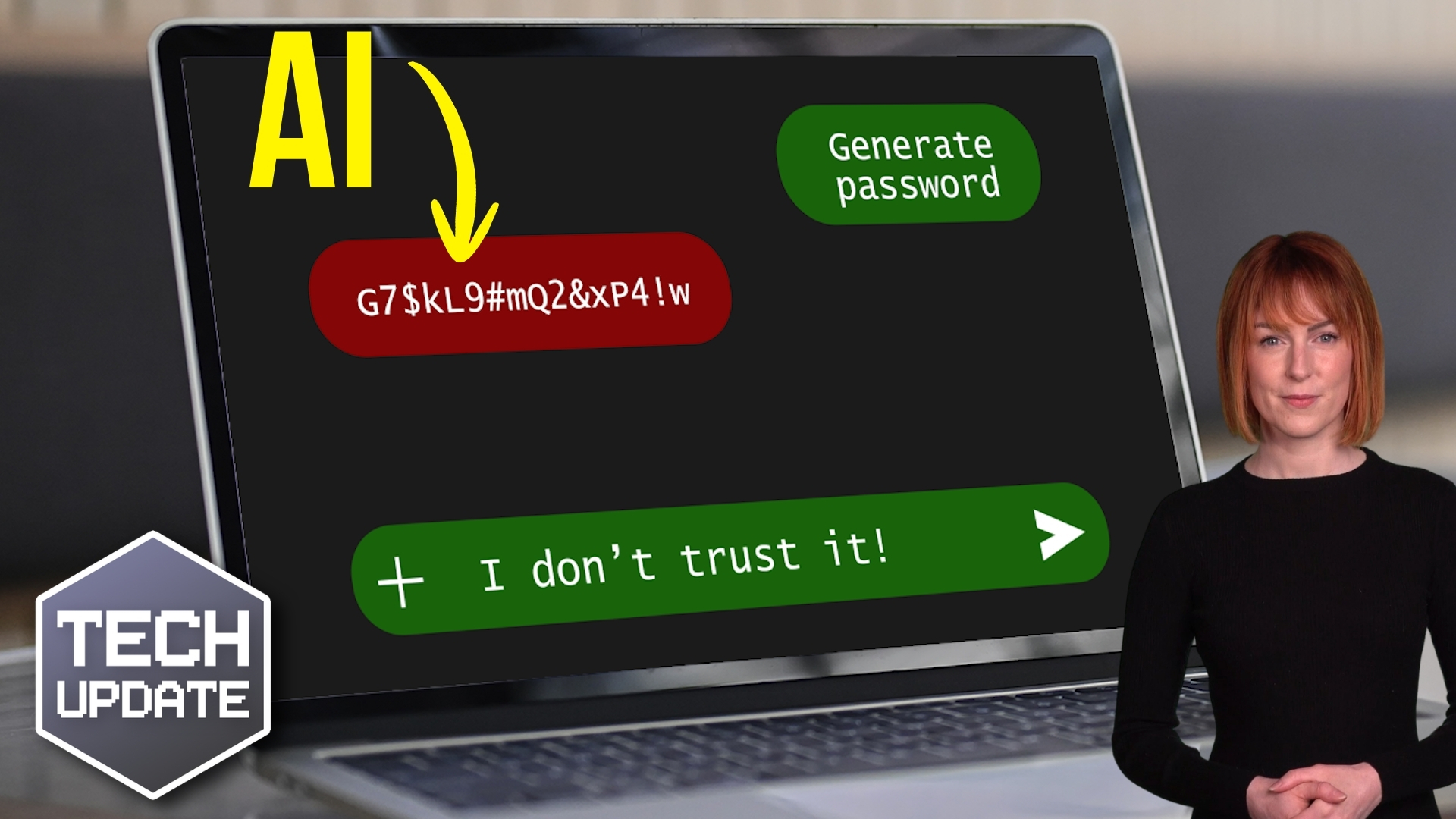
If remembering unique passwords for every account sounds impossible, there is another option: Password managers. These generate strong passwords, store them securely and autofill them for you.
With a password manager, you only need to remember one strong master password for the manager app itself. The rest are encrypted and stored safely, reducing the risk of data breaches.
Even the strongest password isn’t foolproof, which is why multi-factor authentication (MFA) is also important. MFA requires a second form of verification, like a one-time code sent to your phone or generated from an authentication app.
If you have employees accessing your business systems, it’s a good idea to have a password policy in place to explain your rules and why they’re important. This should include:
• Unique passwords for each system and account
• Regular security training on password best practices
• Business-wide use of MFA for critical systems
• Scanning for compromised passwords regularly
By making password security a priority, you can reduce the chances of a cyber attack creating a nightmare for your business.
And if you need help making your business more secure, get in touch.

Scam hazard signs

How to spot a scam

Would you know how to recognise a scam? In the 21st century, you are highly unlikely to encounter a con artist in the street as they hide behind phones, text messages and emails.  But the motivations behind 21st-century fraudsters have not changed; they want to make...
Share This
Contact
Love Lane
Cleobury Mortimer
Shropshire DY14 8PE

01299 382 321
[email protected]
Copyright © Blisstech Solution Ltd
Registered No: 08125391 VAT No : 307 5490 05