What is Proactive Monitoring and how can it protect your business? • Blisstech Solutions

How proactive monitoring will help your business weather any storm.

You are the captain of your business’s ship. You have a loyal and skilled team behind you. You are ready for any challenge!

Or so you thought.

Then, one day, without warning, a vast digital monster wrapped its tentacles around your ship’s systems, creating chaos.

Your lookout was snoozing in the crow’s nest. What you actually needed was a watchful lookout, scanning for any hint of trouble.

This is the difference between proactive and reactive when monitoring your business’s systems. We all know that prevention is better than cure.

Our latest guide tells you everything you need to know about proactive monitoring for your business.

Download your free guide today, and if you need professional help and advice, please get in touch.
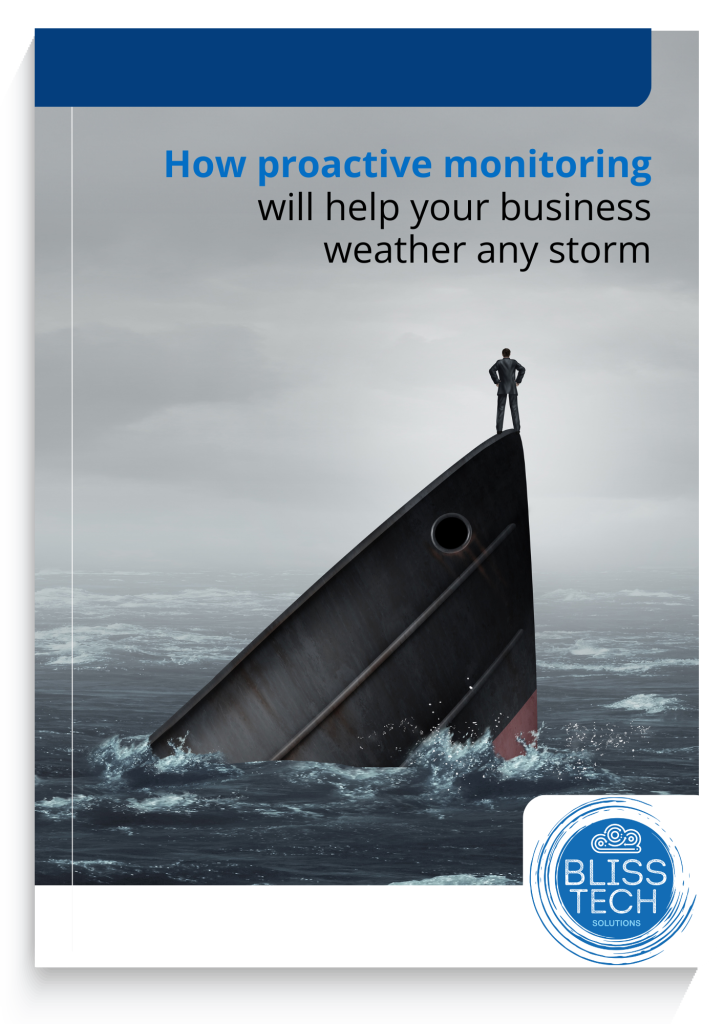

An image of the front cover of the ebook "How proactive monitoring will help your business weather any storm"

More Content

Don’t think your business is a target? Think again

Don’t think your business is a target? Think again

Cyber criminals are targeting businesses of all sizes, all the time. And new research shows just how they’re doing it. We tell you how to stay protected.

Criminals are exploiting AI to create more convincing scams

One of the many cool things about the new wave of Artificial Intelligence tools is their ability to sound convincingly human. AI chatbots can be prompted to generate text that you’d never know was written by a robot. And they can keep producing it – quickly, and with minimal human intervention. So it’s no surprise that cyber criminals have been…

Beware these common ‘malvertising’ attacks

Beware these common ‘malvertising’ attacks

Ever clicked an online ad and wondered afterwards if it was a scam?… most of us have – and cyber criminals want us to keep doing it. Here’s what to look out for to stop your business’s data (and profits) falling into the wrong hands…

Tech Tip: Master Your Multitasking – Switching Apps and Desktops Like a Pro

Welcome to a new Tuesday tech tip video where I will show you how to switch between applications and desktops in Windows quickly. Sick of losing track of what you're doing because you have too many windows open? Let's face it: we've all been there. Well, this video is...
New member of staff… new security risk?

New member of staff… new security risk?

New employees are a prime target for cybercriminals. They don’t know the ropes yet, and the chances of them becoming a victim are high. Here’s what smart businesses are doing about this problem…

Antivirus Isn’t Enough. Why You Need EDR for Bulletproof Security

In the ancient days of dial-up internet, a simple antivirus program might have kept your computer safe. Today's digital landscape, however, is a minefield of constantly evolving cyber threats. Ransomware, phishing attacks, and zero-day exploits plague businesses and...
Warning: That antivirus website could be a fake

Warning: That antivirus website could be a fake

Scammers have been creating replica antivirus downloads that steal your data instead of protecting it. Here’s what you need to watch out for…

Tech Tip: How to check if your device is compatible with Windows 11

Welcome to a new Tuesday tech tip video. In it, I will show you how to check if your device is compatible with Windows 11. With Microsoft's termination of support for Windows 10  in October 2025, it's crucial for business leaders to proactively plan for the transition...
90% of businesses are now using generative AI

90% of businesses are now using generative AI

You’ve probably heard a lot about generative AI. But did you think about the huge impact it’s having on businesses across the globe? The list of benefits is endless. If you’re not keeping up, this is what you’re missing out on…

How to create secure passwords

How to create secure passwords

Weak passwords are one of the biggest security risks to your business.
Why?
Because cyber criminals are getting smarter than ever before. If they manage to crack just one password, they could gain access to your sensitive business data, financial information, or even gain control of your entire system.
Cyber criminals use automated tools to guess passwords, allowing them to try out millions of combinations in seconds. So, if you’re using something like “Password123” or “CompanyName2025”, you’re practically handing them the keys to your business.
A compromised password can lead to big issues, such as:
• Data breaches
• Financial losses
• Identity theft
• Reputation damage
But how do you create strong passwords without driving yourself (and your team) mad?
Think of your password like a secret recipe, where only you should know the ingredients. It should:
• Be at least 14 characters long (the longer, the better)
• Include a mix of uppercase and lowercase letters
• Contain a few numbers and symbols (like @, $, %, or &)
• Not contain any common words or easily guessable information (like birthdays, names, or the word “password”)
Instead of using a single word, you could try a passphrase – a short, random sentence that only you would understand. For example, instead of “Sailing2025”, try something like “Coffee&CloudsAreGreat9!”. This is much harder to crack, yet still easy to remember.
You should also steer clear of these common mistakes:
• Using personal info (your name, birthday, business name, etc.)
• Reusing the same passwords across multiple accounts
• Using simple sequences (“123456” or “abcdef”)
• Storing passwords in an easily accessible place (like a sticky note on your desk)
If remembering unique passwords for every account sounds impossible, there is another option: Password managers. These generate strong passwords, store them securely and autofill them for you.
With a password manager, you only need to remember one strong master password for the manager app itself. The rest are encrypted and stored safely, reducing the risk of data breaches.
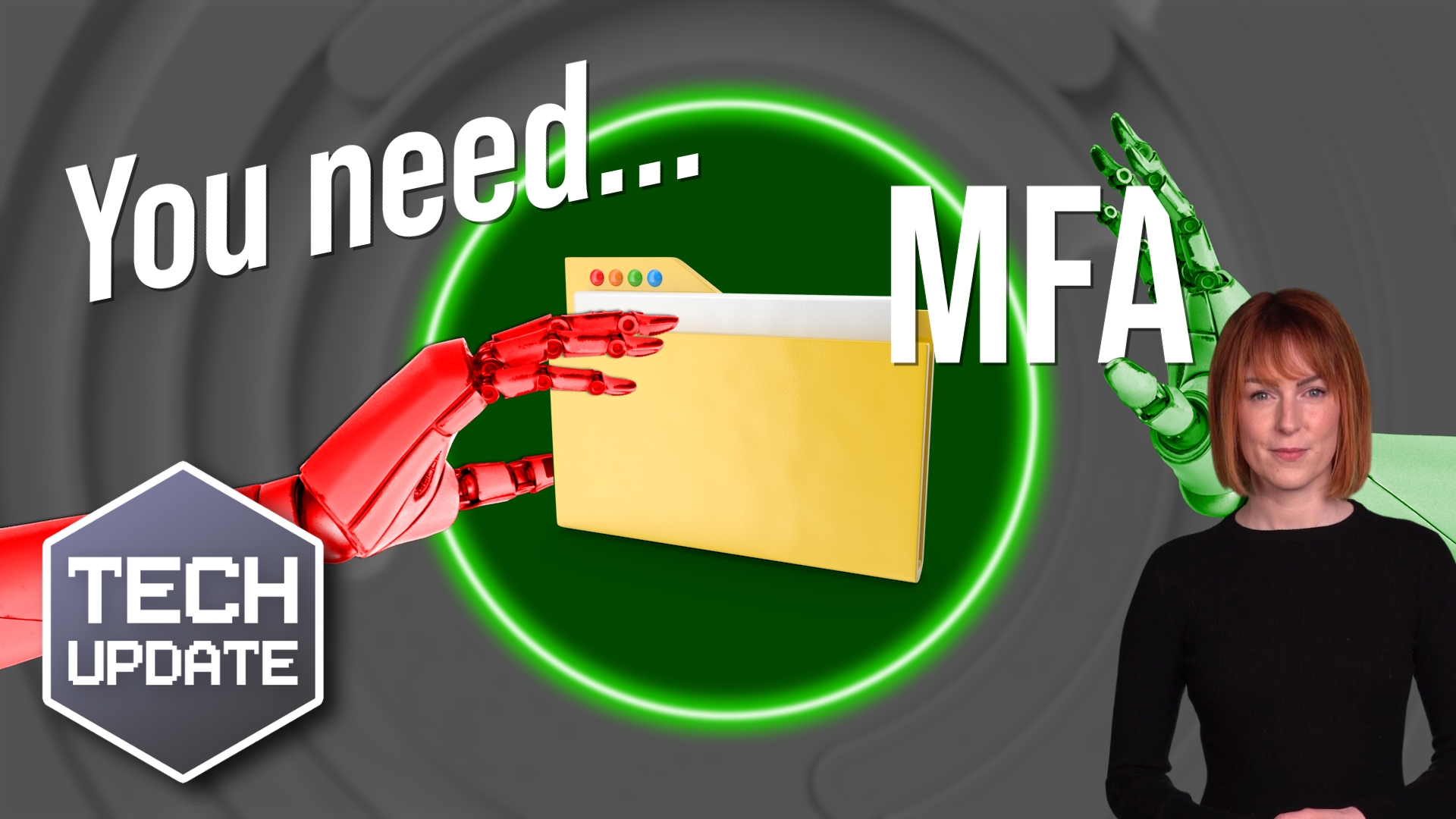
Even the strongest password isn’t foolproof, which is why multi-factor authentication (MFA) is also important. MFA requires a second form of verification, like a one-time code sent to your phone or generated from an authentication app.
If you have employees accessing your business systems, it’s a good idea to have a password policy in place to explain your rules and why they’re important. This should include:
• Unique passwords for each system and account
• Regular security training on password best practices
• Business-wide use of MFA for critical systems
• Scanning for compromised passwords regularly
By making password security a priority, you can reduce the chances of a cyber attack creating a nightmare for your business.
And if you need help making your business more secure, get in touch.

Share This
Contact
Love Lane
Cleobury Mortimer
Shropshire DY14 8PE

01299 382 321
[email protected]
Copyright © Blisstech Solution Ltd
Registered No: 08125391 VAT No : 307 5490 05