Now AI can make your Teams meetings more productive • Blisstech Solutions

Are you tired of wasting precious time in meetings, only to leave feeling confused and disorganised?

Do you struggle to keep track of all the action items and follow-up tasks that come out of these meetings?

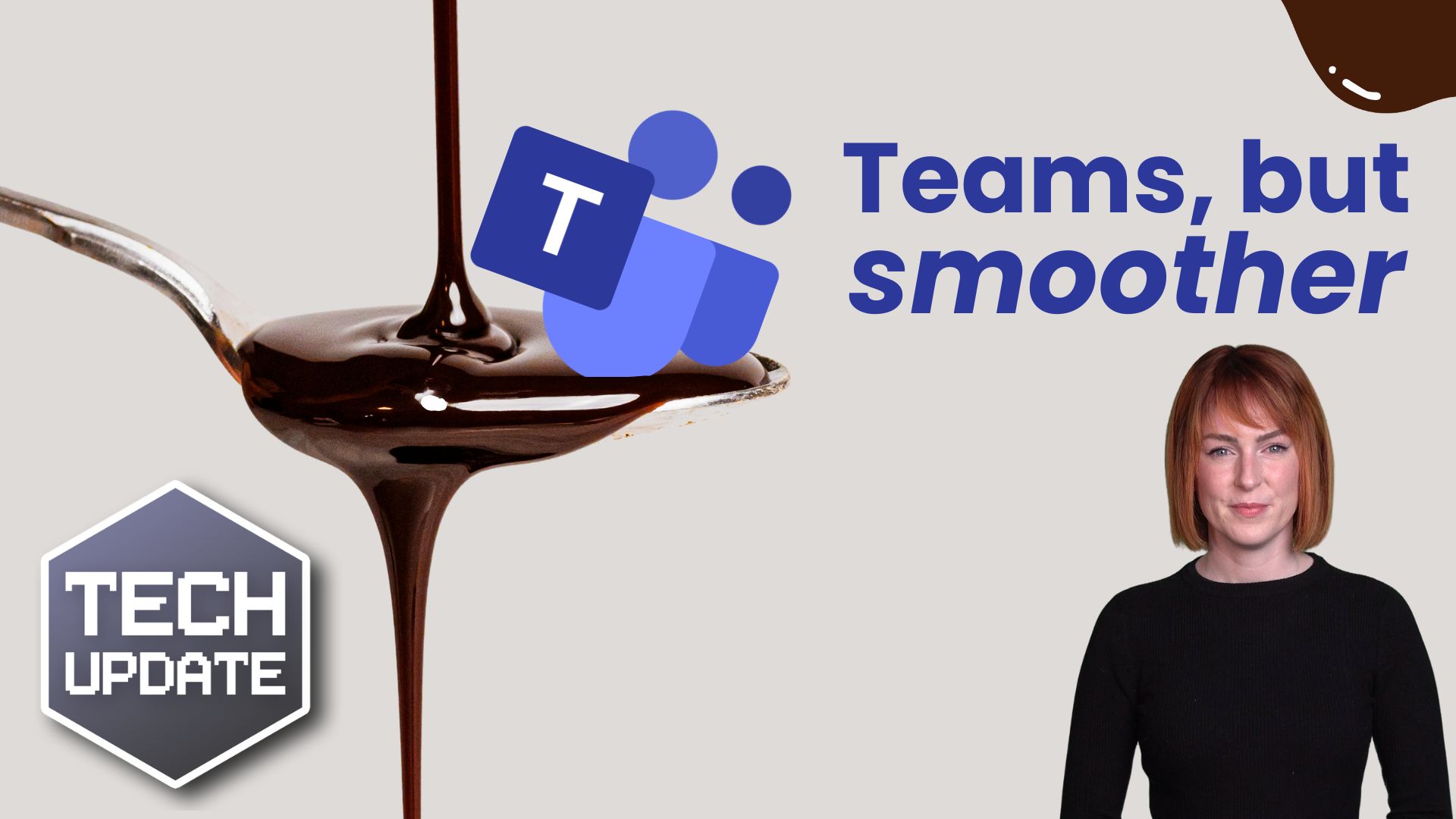
Microsoft Teams has launched a new feature which could solve your problems and boost productivity.

Teams Meeting Recap is an AI-based intelligent meeting recap feature, available exclusively to Teams Premium subscribers. This innovative feature harnesses the latest in artificial intelligence technology to generate comprehensive summaries of your meetings.

That means no more tedious recaps… but hello to accurate and efficient summaries that capture all the key points from your meetings.

With the Teams Meeting Recap feature, you can do more than just recap. It can identify action items and follow-up tasks, assign them to team members, and set deadlines for completion. This ensures that all meeting participants are aware of their responsibilities and the timeline for completion. It’s an excellent tool for enhancing team communication and collaboration.

Efficiency is not the only benefit of the meeting recap feature. It also provides customisable options to fit your unique requirements. You can select what details to include in the summary to ensure that you get the most pertinent and helpful information.

If you’re not a Teams Premium subscriber, are there benefits of investing in this new feature?

Yes! For starters, it streamlines your workflow, saving you both time and money.

You don’t have to waste hours trying to decipher meeting notes and action items. Instead, you’ll have access to a clear and concise summary that you can refer back to at any time.

Additionally, it improves organisation and accountability within your team. With assigned action items and deadlines, everyone knows exactly what is expected of them.

Don’t underestimate the power of this new Meeting Recap – it’s a game-changer for businesses that want to increase productivity.

Don’t wait. If you need help upgrading to Teams Premium, we’re here for you. Get in touch.
More Content

How to create secure passwords

How to create secure passwords

Weak passwords are one of the biggest security risks to your business.
Why?
Because cyber criminals are getting smarter than ever before. If they manage to crack just one password, they could gain access to your sensitive business data, financial information, or even gain control of your entire system.
Cyber criminals use automated tools to guess passwords, allowing them to try out millions of combinations in seconds. So, if you’re using something like “Password123” or “CompanyName2025”, you’re practically handing them the keys to your business.
A compromised password can lead to big issues, such as:
• Data breaches
• Financial losses
• Identity theft
• Reputation damage
But how do you create strong passwords without driving yourself (and your team) mad?
Think of your password like a secret recipe, where only you should know the ingredients. It should:
• Be at least 14 characters long (the longer, the better)
• Include a mix of uppercase and lowercase letters
• Contain a few numbers and symbols (like @, $, %, or &)
• Not contain any common words or easily guessable information (like birthdays, names, or the word “password”)
Instead of using a single word, you could try a passphrase – a short, random sentence that only you would understand. For example, instead of “Sailing2025”, try something like “Coffee&CloudsAreGreat9!”. This is much harder to crack, yet still easy to remember.
You should also steer clear of these common mistakes:
• Using personal info (your name, birthday, business name, etc.)
• Reusing the same passwords across multiple accounts
• Using simple sequences (“123456” or “abcdef”)
• Storing passwords in an easily accessible place (like a sticky note on your desk)
If remembering unique passwords for every account sounds impossible, there is another option: Password managers. These generate strong passwords, store them securely and autofill them for you.
With a password manager, you only need to remember one strong master password for the manager app itself. The rest are encrypted and stored safely, reducing the risk of data breaches.
Even the strongest password isn’t foolproof, which is why multi-factor authentication (MFA) is also important. MFA requires a second form of verification, like a one-time code sent to your phone or generated from an authentication app.
If you have employees accessing your business systems, it’s a good idea to have a password policy in place to explain your rules and why they’re important. This should include:
• Unique passwords for each system and account
• Regular security training on password best practices
• Business-wide use of MFA for critical systems
• Scanning for compromised passwords regularly
By making password security a priority, you can reduce the chances of a cyber attack creating a nightmare for your business.
And if you need help making your business more secure, get in touch.

How future-ready is your business’s IT?

How future proof is your business’s IT?

Your business’s tech might be working well today, but is it ready for tomorrow? A new study has found more than 60% of business leaders aren’t confident about theirs. What about yours?

Tech Tip: What is Autosave and Version History?

This is the latest Tuesday Two Minute Tech-tip that explains the AutoSave and Version History features of Office 365. When we migrate businesses to Microsoft 365 and they start working with OneDrive and SharePoint, I often hear the question, "How do I save my files...

Tech Tip: How to use Microsoft Teams as a phone system

Welcome to a new Tuesday tech tip video. In it, I will demo the Microsoft Teams Phone system. Microsoft Teams has become a cornerstone for collaboration, offering seamless chat and meeting experiences for millions of users worldwide. But did you know that Teams can...
The anatomy of a cyber ready business

Cyber Readiness: How to Build a Business That’s Tough to Hack

Why Cyber Readiness Matters Cyberattacks aren’t just a problem for big corporations — cybersecurity for small businesses a growing threat too. A single breach can disrupt operations, damage your reputation, and cost you money. The good news? You don’t need a huge...

Point-to-point WiFi – How to extend your network across buildings without cables

No wires?  No problem!  Point-to-point Wireless Revolutionises Connectivity for Every Business In today's fast-paced digital world, having a reliable and extensive network is crucial for the success of any business. However, the physical limitations of laying down...

The hidden risk of unsupported software

It’s surprisingly common for businesses to rely on unsupported software. Not because anyone is careless or willing to take unnecessary risks. More often, the software has simply been in place for years. It still works. Your team knows how to use it. And replacing it...
Unwrap the gift of knowledge: 5 free AI courses by Microsoft

Unwrap the gift of knowledge: 5 free AI training courses by Microsoft

Microsoft has a little business-boosting gift that you won’t want to miss out on… five free courses about AI. We have the details, and the links to the courses.

Why is my computer so slow!?

“Why is my computer so slow?” is a question heard time and time again and is one of the most common computer complaints. There are a variety of reasons that your computer can appear to be running slowly. I say ‘appear’ as it may not actually be your computer that is causing the problem. Read on to find out possible reasons for this problem.

It’s nearing the end for Windows 10 – Are you ready?

It’s time to say goodbye to Windows 10 Next year, we’ll say a final farewell to Windows 10 as it reaches the end of its life. Microsoft is stopping support. This means no new tools or features and no more security updates. If you’re still using Windows 10 in your...
Share This
Contact
Love Lane
Cleobury Mortimer
Shropshire DY14 8PE

01299 382 321
[email protected]
Copyright © Blisstech Solution Ltd
Registered No: 08125391 VAT No : 307 5490 05