Are your younger employees experiencing ‘tech shame’? • Blisstech Solutions

It seems that Gen Z and even some Millennial employees are less tech savvy than many employers might expect. It’s an assumption that’s leading to a sense of ‘tech shame’.

Younger workers may have grown up using Snapchat, TikTok and Minecraft, but they’re not always equipped with the skills they need to adapt to the workplace.

A recent study has found that one in five employees aged 18 to 29 feel judged when they encounter technical issues at work. That’s compared to just one in 25 employees aged 40 or over.

The solution may lie in providing better training, not just for younger colleagues and first-jobbers, but for the whole team. Some Gen Z workers may have started their careers during the pandemic. That means they will never have experienced anything other than a digital working environment. Especially if they work remotely or in a hybrid role.

As well as fixing any skill gaps there may be, whole-team training can provide a much-needed confidence boost for young employees.

Another consideration is the provision of tools and devices your team has access to – especially if they’re working remotely.

Younger workers with less available income to spend on home office equipment may be less likely to speak up if they’re struggling.

Simply checking in with employees – particularly if they’re not in the office – can make a big difference to their engagement, productivity, and confidence. If there are any issues, big or small, find a way to put them right, and you’ll notice a positive shift in the whole business.

If you’d like any advice about tech shame or help with training, boosting efficiency or sourcing equipment, we’re here when you need us. Just get in touch.

Published with permission from Your Tech Updates.
More Content

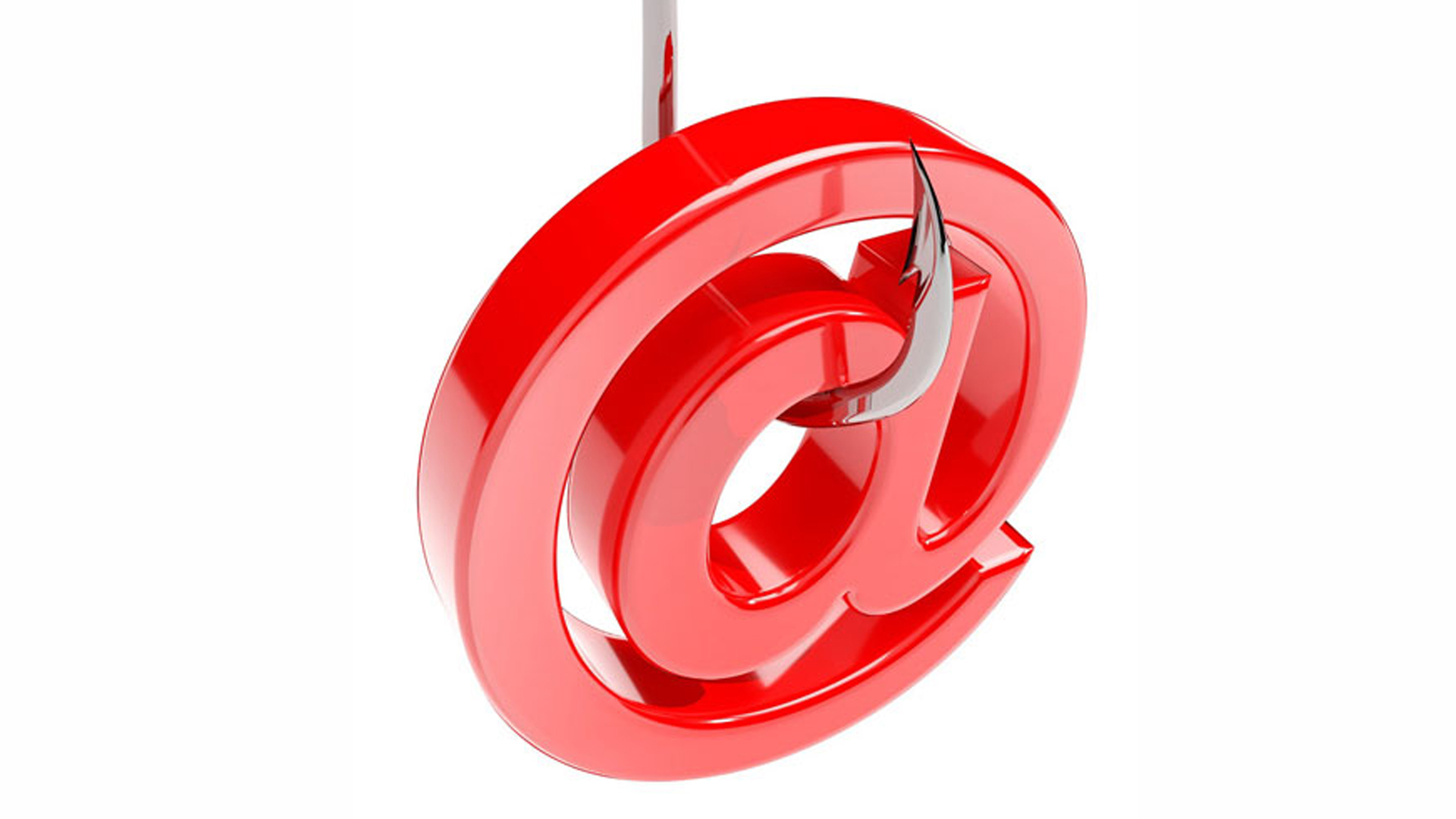
10 Simple Tips for Avoiding Phishing Scams: How to Stay Safe Online

10 Simple Tips for Avoiding Phishing Scams: How to Stay Safe Online What is Phishing? Phishing is a common online scam in which cybercriminals try to trick you into sharing personal information, such as passwords and credit card numbers. Phishers often use email or...

Tech Tip: Understanding Microsoft work and personal accounts

Welcome to another Blisstech Solutions Tuesday Tech Tip! Have you set up both a personal and work Microsoft account and are now running into problems when you are trying to work as you can't work out which account you are logged in with?  You are not alone and we see...
How to create secure passwords

How to create secure passwords

Weak passwords are one of the biggest security risks to your business.
Why?
Because cyber criminals are getting smarter than ever before. If they manage to crack just one password, they could gain access to your sensitive business data, financial information, or even gain control of your entire system.
Cyber criminals use automated tools to guess passwords, allowing them to try out millions of combinations in seconds. So, if you’re using something like “Password123” or “CompanyName2025”, you’re practically handing them the keys to your business.
A compromised password can lead to big issues, such as:
• Data breaches
• Financial losses
• Identity theft
• Reputation damage
But how do you create strong passwords without driving yourself (and your team) mad?
Think of your password like a secret recipe, where only you should know the ingredients. It should:
• Be at least 14 characters long (the longer, the better)
• Include a mix of uppercase and lowercase letters
• Contain a few numbers and symbols (like @, $, %, or &)
• Not contain any common words or easily guessable information (like birthdays, names, or the word “password”)
Instead of using a single word, you could try a passphrase – a short, random sentence that only you would understand. For example, instead of “Sailing2025”, try something like “Coffee&CloudsAreGreat9!”. This is much harder to crack, yet still easy to remember.
You should also steer clear of these common mistakes:
• Using personal info (your name, birthday, business name, etc.)
• Reusing the same passwords across multiple accounts
• Using simple sequences (“123456” or “abcdef”)
• Storing passwords in an easily accessible place (like a sticky note on your desk)
If remembering unique passwords for every account sounds impossible, there is another option: Password managers. These generate strong passwords, store them securely and autofill them for you.
With a password manager, you only need to remember one strong master password for the manager app itself. The rest are encrypted and stored safely, reducing the risk of data breaches.
Even the strongest password isn’t foolproof, which is why multi-factor authentication (MFA) is also important. MFA requires a second form of verification, like a one-time code sent to your phone or generated from an authentication app.
If you have employees accessing your business systems, it’s a good idea to have a password policy in place to explain your rules and why they’re important. This should include:
• Unique passwords for each system and account
• Regular security training on password best practices
• Business-wide use of MFA for critical systems
• Scanning for compromised passwords regularly
By making password security a priority, you can reduce the chances of a cyber attack creating a nightmare for your business.
And if you need help making your business more secure, get in touch.

Tech Tip: How to use Microsoft Teams as a phone system

Welcome to a new Tuesday tech tip video. In it, I will demo the Microsoft Teams Phone system. Microsoft Teams has become a cornerstone for collaboration, offering seamless chat and meeting experiences for millions of users worldwide. But did you know that Teams can...
Logos for Microsoft 365

The Microsoft New Commerce Experience (NCE) is on the way

Microsoft is introducing what it calls a New Commerce Experience (NCE) in 2022, with changes to licensing terms and pricing for Microsoft 365. This will mean fairly big, and potentially expensive, changes for business customers who have Microsoft 365 licences. The...
The little things that make a big difference

The little things that make a big difference

Microsoft’s made another update to Windows 11, and while it’s a small one, it could make a big impact. We have all the details of what’s changing.

Man with magnifying glass

Cyber Essentials: A Guide to CE and its Benefits

Many people have heard of Cyber Essentials (CE), but do you know what it is and what benefits it can bring to your business? This article will discuss what cyber essentials is and how it can help your business and the role that a Cyber Essentials assessor plays in...

How Copilot Wave 2 can boost your business

Imagine how different your business would be without Microsoft 365’s suite of apps and tools. It’s a business essential that makes everything easier. Now imagine these apps and tools could do more. Imagine they could summarise reports, documents, and meetings. Or...
Which ransomware payment option is best? (Hint: none)

Which ransomware payment option is best? (Hint: none)

Cyber criminals are giving you more options when it comes to paying your way out of a ransomware attack. Our advice remains the same though. Find out what that advice is here.

Beware these free tools – they may be hiding ransomware

Beware these free tools – they may be hiding ransomware

Need to change a file from one format to another? Easy, just Google a file converter, right? Stop! That may not be as safe as it seems. Find out why here…

Share This
Contact
Love Lane
Cleobury Mortimer
Shropshire DY14 8PE

01299 382 321
[email protected]
Copyright © Blisstech Solution Ltd
Registered No: 08125391 VAT No : 307 5490 05