Half of staff have too much access to data • Blisstech Solutions

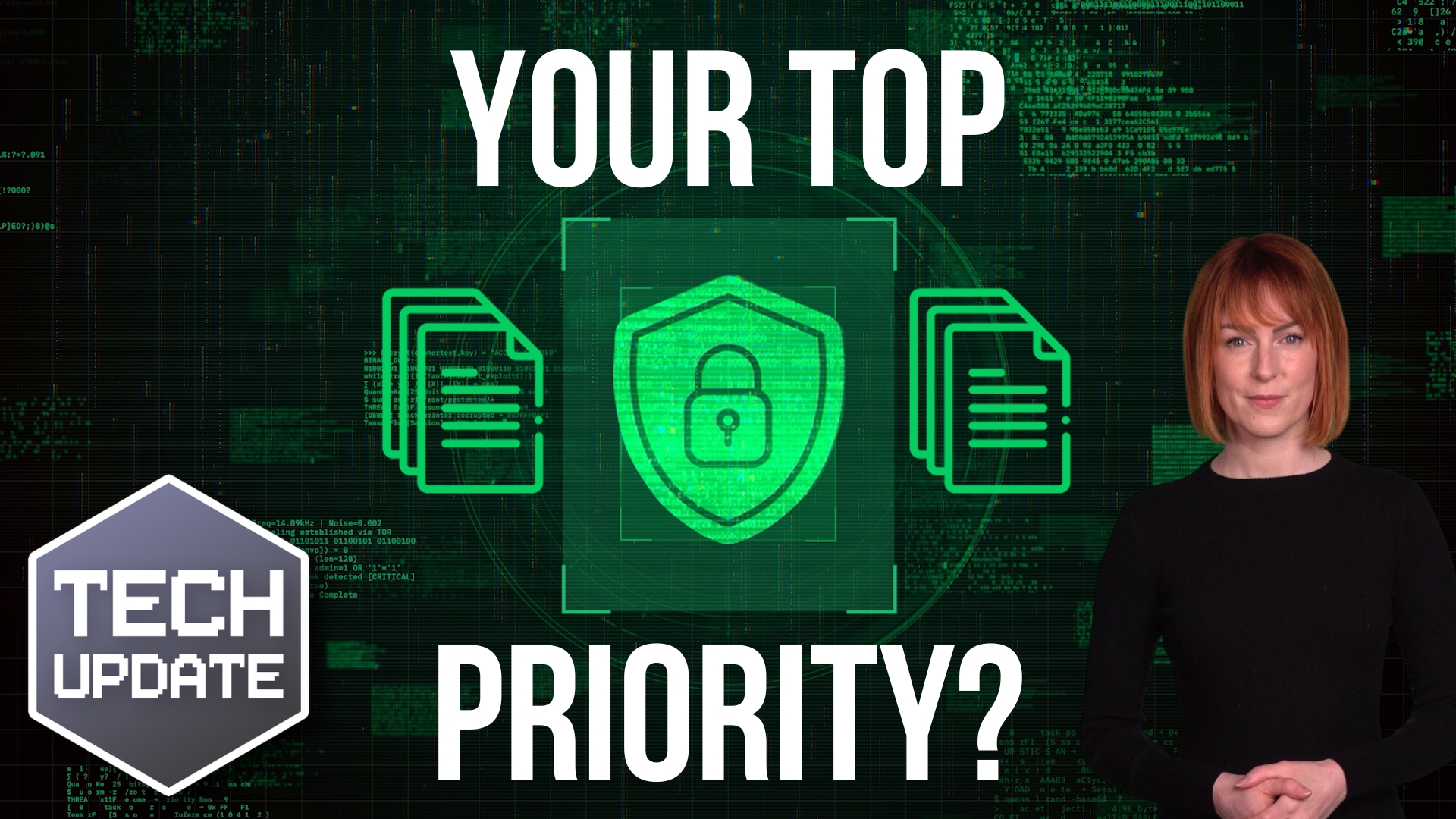
Here’s a question to make you pause: Do you know exactly who in your business can access your critical data right now?

And more importantly, do they need that access to do their job?

If you’re like most business owners, you probably assume that access is sorted out during setup and that’s the end of it. But new research says otherwise.

It turns out that around half of staff in businesses have access to far more data than they should.

Which is a big problem.

Not just because of the risk of someone doing something malicious, but because mistakes happen. When people can see things they don’t need, it opens the door to accidents, breaches, and headaches with compliance and audits.

This is what’s known as insider risk.

It simply means the risk that comes from people inside your business, whether they’re employees, contractors, or anyone else who has access to your systems.

Sometimes insider risk is deliberate, like when someone steals data.

But far more often it’s unintentional. Someone clicks on the wrong thing, sends information to the wrong person, or keeps hold of access when they leave the business. And that’s when trouble starts.

One of the biggest issues is what’s called “privilege creep”.

That’s where people gradually build up more access than they really need, often because they move roles, get added to new systems, or no one takes a close look at what they can see.

The research shows that only a tiny percentage of businesses are actively managing this properly. And that means huge amounts of data are being left exposed.

Even scarier, nearly half of businesses admit that some of their ex-staff still have access to systems months after leaving. That’s like leaving the keys to your office in the hands of someone who no longer works for you.

The solution is to make sure your people can only access what they need, and nothing more. This is often called “least privilege”.

It means setting up systems so that permissions are limited to what’s necessary. And access is only given temporarily when required. That’s sometimes referred to as “just in time” access.

And just as important, when someone leaves your business, all their access should be removed straight away.

Today’s world of cloud apps, AI tools, and “invisible IT” (where software is used without IT even knowing about it) makes this trickier. But it’s not impossible. It just means being proactive.

Regularly reviewing who has access to what, tightening permissions, and using tools that help automate this can make a huge difference.

The aim isn’t to slow people down. It’s to protect your data, your customers, and your business’s reputation.

If you need help assessing the security of your access controls, we offer solutions that make this process easier, so please get in touch. It’s better to know now than after a breach.

More Content

Microsoft’s fixing this annoying Windows 11 fault

Microsoft’s fixing this annoying Windows 11 fault

Fed up seeing useless “Recommendations” in the Windows 11 Start menu? Good news – Microsoft’s making them more helpful. Here’s how the improvements could help your team save time…

Tech Tip: How to create a scheduling poll using Outlook

Welcome to a new Tuesday tech tip video where we will be exploring how to create a scheduling poll using Outlook. You know what it's like when you are trying to get everyone together for a meeting. Trying to find a time that suits everyone can be a real pain! There...
More good news for accessibility in Windows 11

Describe Image: More good news for accessibility in Windows 11

Ever stare at a chart or image in a document, knowing it matters but not quite understanding it? There’s something new in Windows 11 that’s about to remove that problem. Find out more here.

You’re not imagining it, video calls ARE stressful

You’re not imagining it, video calls ARE stressful

Video calls stressing you out? You’re not alone. Scientists have warned about the negative effects of too much camera time. We have the solution for your team.

Why all businesses should adopt MFA now

Years ago, Multi-Factor Authentication (MFA) used to be called 2FA, or Two Factor Authentication.  This was made up of: Something you have, like a device that can generate a one-time password (OTP). Something you know, like a password. MFA has extended things meaning...
A free tool for more polished communication

A free tool for more polished communication

You’ve hit send on an important email – then you notice a typo. Windows 11 lets you spellcheck and autocorrect across most of its apps. Here we help you to set it up

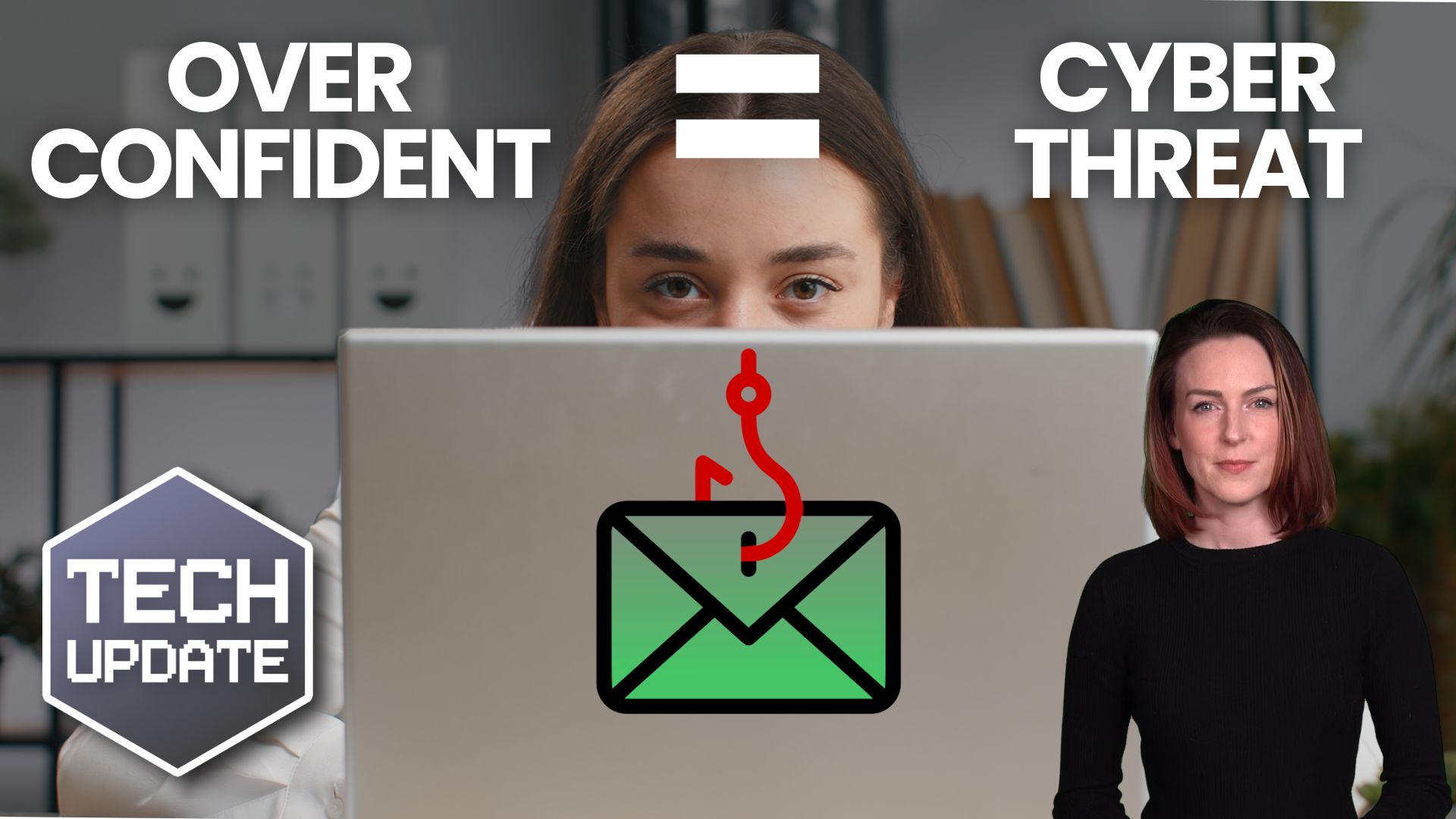
90% of cyber attacks start with a simple email. Why?

All it takes is one email... Did you know it can just take one email to bring your entire business to its knees? Why? Because a surprising 90% of cyber attacks begin with an email. And if you and your whole team are reliant on email every day, your chances of falling...
Say goodbye to hours wasted on PowerPoint slides

Say goodbye to hours wasted on PowerPoint slides

PowerPoint presentations still hold a firm place in many business meetings. But, let’s be honest, they’re a real pain to create. If you regularly use PowerPoint, Microsoft’s got a solution you’ll love…

Better battery life for Windows 11 laptops

Better battery life for Windows 11 laptops

Wish your laptop could last longer on a single charge? Big changes could be on the way that help your team work smarter (and stress less about finding outlets).
Learn more about this business-boosting improvement from Microsoft and Windows 11…

This tiny tweak to Teams will make meetings smoother

This tiny tweak to Teams will make meetings smoother

Sick of saying “next slide please” in your Teams meetings? Microsoft has a small but powerful new feature that will put an end to that. Find out more here…

Share This
Contact
Love Lane
Cleobury Mortimer
Shropshire DY14 8PE

01299 382 321
[email protected]
Copyright © Blisstech Solution Ltd
Registered No: 08125391 VAT No : 307 5490 05