Tech Tip: What is Autosave and Version History? • Blisstech Solutions

This is the latest Tuesday Two Minute Tech-tip that explains the AutoSave and Version History features of Office 365.

When we migrate businesses to Microsoft 365 and they start working with OneDrive and SharePoint, I often hear the question, “How do I save my files now?” The answer is, you don’t have to! Provided you are storing the files in OneDrive or SharePoint anyway.

Did you know that when you use OneDrive and SharePoint, Office applications automatically save your files for you? Do you know that Microsoft 365 also keeps multiple versions of your files for you in SharePoint so that you don’t have to keep saving versions with different filenames?

This tip will explain:

   đꑉ What AutoSave is and how to check it is working.
   đꑉ What Version History is.
   đꑉ How to go view and retrieve different versions of your documents.

These tips will help you to:

   đź’Ą Understand the AutoSave and Version History features.
   đź’Ą View and retrieve different versions of your files.
   đź’Ą Stop using “Save As” to keep multiple versions of your documents.

More Content

Laptop and stethoscope

How Much Should You Pay for IT Managed Services in the UK?

This article has been updated to reflect the market in 2026. If you are looking for managed IT services in the UK, you should understand that there is no "one-size-fits-all" solution. There are many managed service providers out there, and they offer a huge range of...

How a strategic IT advisor pays for themselves

Does your IT support service help your business grow? Or is it just fixing things when they break? If your current approach is all panic, invoices, and short-term fixes, it’s time for a rethink. A strategic IT advisor becomes a true partner in business growth, helping...

What does the global chip shortage mean for your business?

For the past couple of years, the tech world has been struggling with a global chip shortage. But it’s not just tech businesses that are feeling the impact. So many of the things we use every day contain a chip. Laptops and desktops, sure. But also household...
Now Copilot’s going to make your team work better together

Now Copilot’s going to make your team work better together

Microsoft isn’t happy just boosting individual productivity. Now it’s set its sights on helping your team work better together. We’ll tell you how.

Logos for Microsoft 365

Migrate to Microsoft 365 manually using PST files

When you are migrating to Microsoft 365 from an existing email provider, you'll want to migrate the emails, contacts and calendar from your users existing mailboxes to their shiny new Microsoft 365 mailboxes.  The best-case scenario is your provider will migrate you...
AI audio translation previews in Microsoft Edge

AI audio translation previews in Microsoft Edge

A new AI upgrade in your Edge browser could remove language barriers and make global content instantly accessible. Here’s how…

A woman looking at her phone while working from home

Office 365 and Windows RDS: Maximum Remote Working Flexibility

Windows Remote Desktop Services (RDS) has been around for years. I was using it over 20 years ago and was a fan.  It was an excellent solution for flexible working over slow connections, which is all we had back then!  However, back then, you needed something else to...
An AI-charged blast from the past

An AI-charged blast from the past

Microsoft Paint is all grown up, and it’s making a supercharged comeback thanks to AI. We have all the details

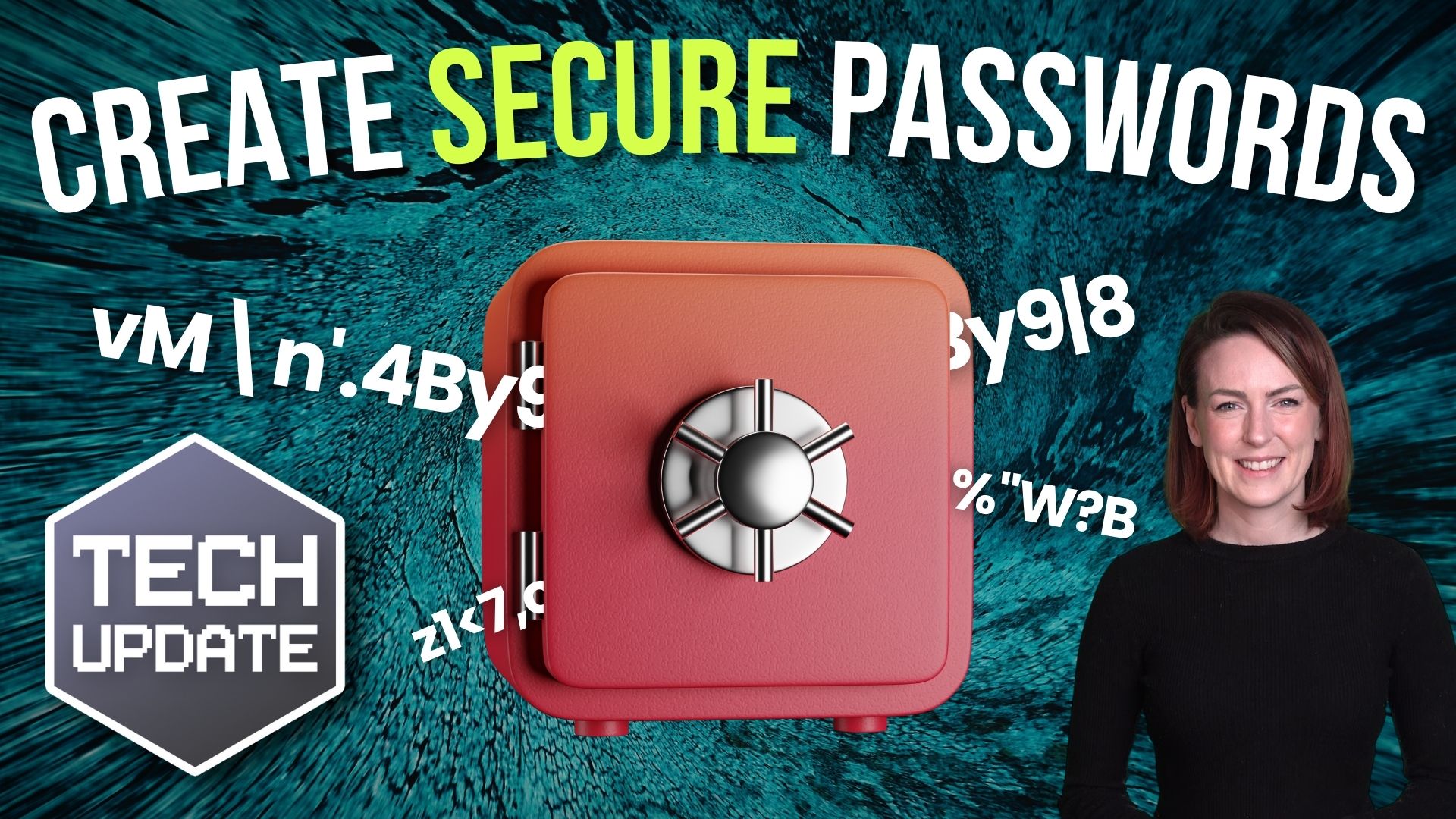
How to create secure passwords

How to create secure passwords

Weak passwords are one of the biggest security risks to your business.
Why?
Because cyber criminals are getting smarter than ever before. If they manage to crack just one password, they could gain access to your sensitive business data, financial information, or even gain control of your entire system.
Cyber criminals use automated tools to guess passwords, allowing them to try out millions of combinations in seconds. So, if you’re using something like “Password123” or “CompanyName2025”, you’re practically handing them the keys to your business.
A compromised password can lead to big issues, such as:
• Data breaches
• Financial losses
• Identity theft
• Reputation damage
But how do you create strong passwords without driving yourself (and your team) mad?
Think of your password like a secret recipe, where only you should know the ingredients. It should:
• Be at least 14 characters long (the longer, the better)
• Include a mix of uppercase and lowercase letters
• Contain a few numbers and symbols (like @, $, %, or &)
• Not contain any common words or easily guessable information (like birthdays, names, or the word “password”)
Instead of using a single word, you could try a passphrase – a short, random sentence that only you would understand. For example, instead of “Sailing2025”, try something like “Coffee&CloudsAreGreat9!”. This is much harder to crack, yet still easy to remember.
You should also steer clear of these common mistakes:
• Using personal info (your name, birthday, business name, etc.)
• Reusing the same passwords across multiple accounts
• Using simple sequences (“123456” or “abcdef”)
• Storing passwords in an easily accessible place (like a sticky note on your desk)
If remembering unique passwords for every account sounds impossible, there is another option: Password managers. These generate strong passwords, store them securely and autofill them for you.
With a password manager, you only need to remember one strong master password for the manager app itself. The rest are encrypted and stored safely, reducing the risk of data breaches.
Even the strongest password isn’t foolproof, which is why multi-factor authentication (MFA) is also important. MFA requires a second form of verification, like a one-time code sent to your phone or generated from an authentication app.
If you have employees accessing your business systems, it’s a good idea to have a password policy in place to explain your rules and why they’re important. This should include:
• Unique passwords for each system and account
• Regular security training on password best practices
• Business-wide use of MFA for critical systems
• Scanning for compromised passwords regularly
By making password security a priority, you can reduce the chances of a cyber attack creating a nightmare for your business.
And if you need help making your business more secure, get in touch.

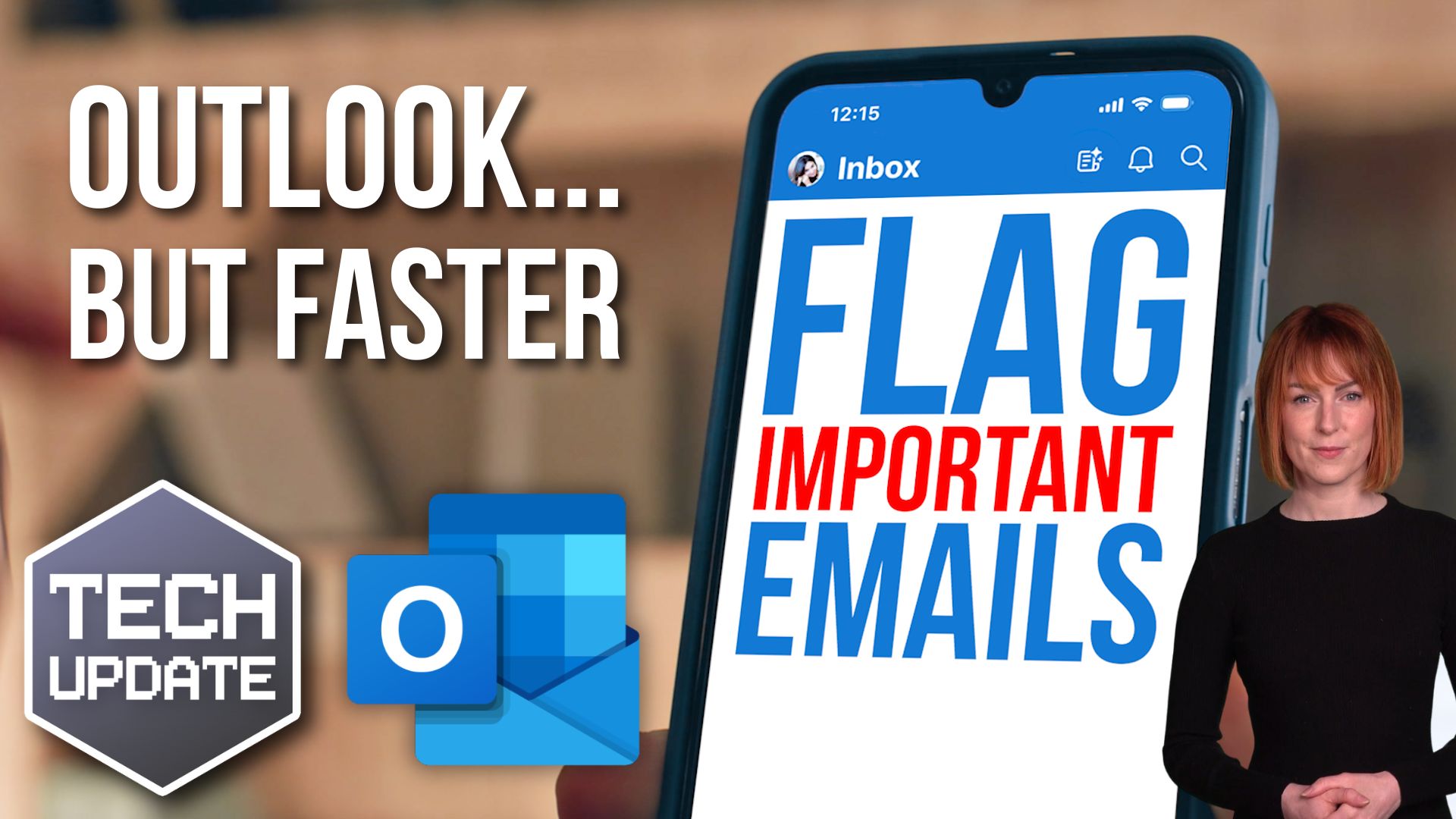
Outlook will flag your most important emails

Outlook will flag your most important emails

Your inbox is about to get a powerful new ally. Find out how Outlook’s latest feature could help you cut through the noise of junk and spot the emails that really matter (and save time too)…

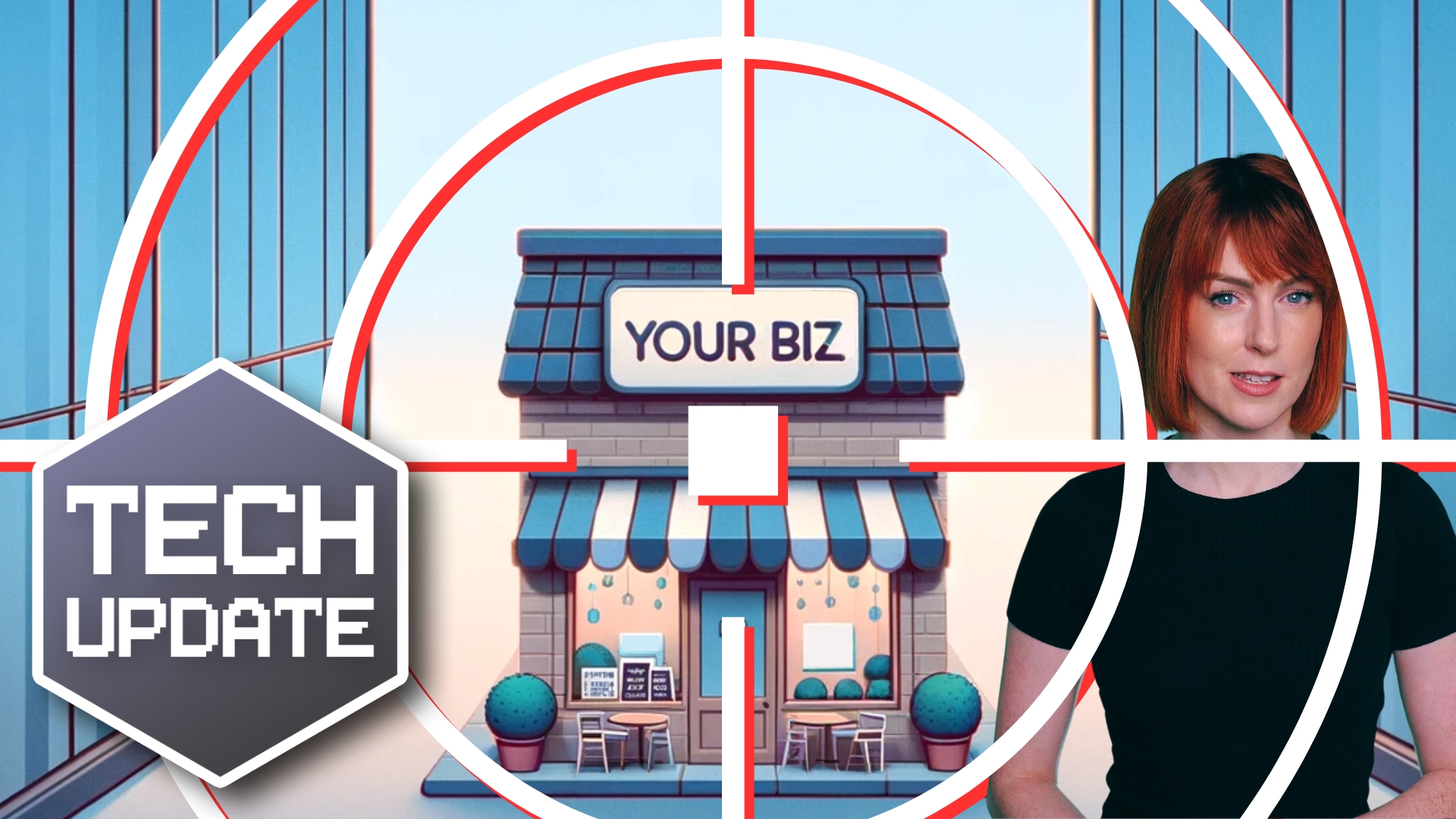
Don’t think your business is a target? Think again

Don’t think your business is a target? Think again

Cyber criminals are targeting businesses of all sizes, all the time. And new research shows just how they’re doing it. We tell you how to stay protected.

Share This
Contact
Love Lane
Cleobury Mortimer
Shropshire DY14 8PE

01299 382 321
[email protected]
Copyright © Blisstech Solution Ltd
Registered No: 08125391 VAT No : 307 5490 05